

Understanding The Importance Of DTF Hot Melt Powder
How DTF transfer powder enhances print durability
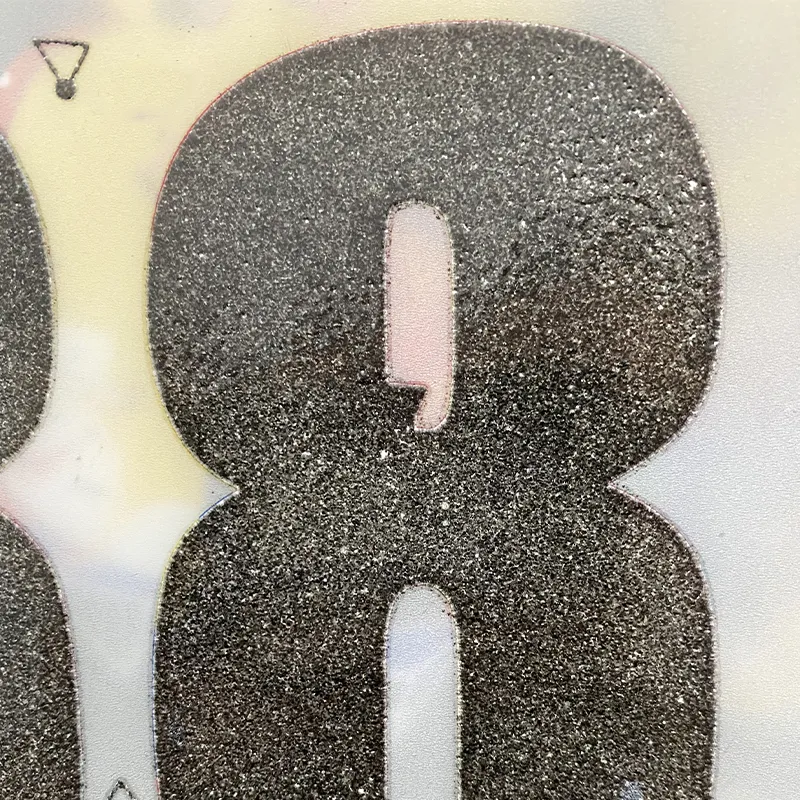
After printing ink on the film, the addition of DTF powder reinforces the quality of the transferred image and makes the effect long-lasting. By fusing with the ink during the baking and heating process, the powder provides a strong “protection” between the substrate and the ink. This imparts wash and abrasion resistance, ensuring the final transfer remains vibrant and crack-free.
The role of DTF powder in improving print feel DTF
One of the main advantages of DTF powder in this DTF printing process is that it improves the texture of the finished print. Different types of powders can give different types of effects. For example, after transferring the print, it provides a soft texture to the pattern on the fabric or gives the pattern on the fabric better breathability.
Primary functions of DTF powder
Ensuring that the transfer on the substrate lasts longer is the main purpose of DTF Powder. There is no point in DTF printing if the printed design starts to fade or peel off after a few washes. Therefore, powder is needed to improve this problem.
Different particle sizes and special properties of DTF hot melt powder
Fine, medium, and large Granules
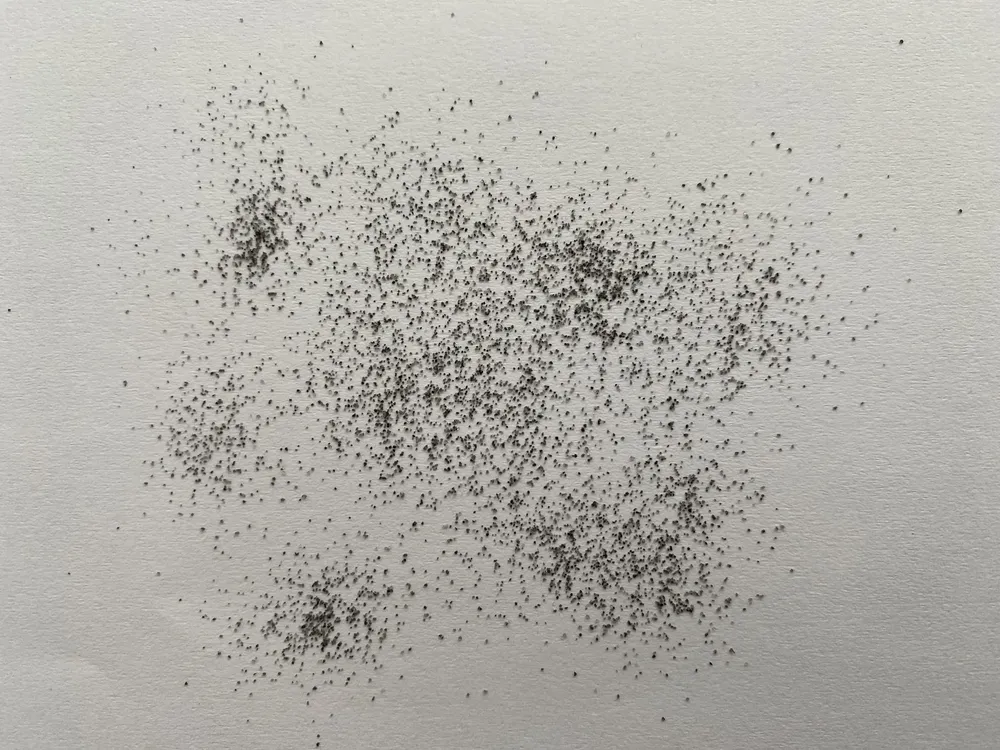
DTF transfer powder is the existence of the concept of particle size, particle size can be generally divided into: fine particles (0-80 microns), medium particles (80-160 microns), coarse particles (120-240 microns). Finer particles create a smoother, softer feel in the transferred image, while coarser particles enhance its durability. Each particle size offers unique advantages.
Soft and anti-static
In addition to the particle size, DTF powders come in particularly soft and anti-static varieties. This type of powder gives the transferred pattern on the fabric certain special advantages. For example, extra soft powders can give the pattern on the fabric a softer touch than the softness that comes with fine powders! And anti-static is a solution to the threat of static electricity when touching the pattern on the fabric in cold weather.
High elasticity
High-elasticity DTF powder adds another layer of adaptability to the printing process, allowing prints on fabric to withstand minor stretching, preventing cracking or peeling. While fabrics printed using DTF typically aren’t highly elastic, this doesn’t mean ordinary fabrics can’t be stretched. Generally, high-elasticity powders provide better wash resistance to fabric prints.
White and black
DTF powder is also categorized into white and black. They differ in that white is suitable for use on light-colored fabrics, while black is suitable for use on dark-colored fabrics.
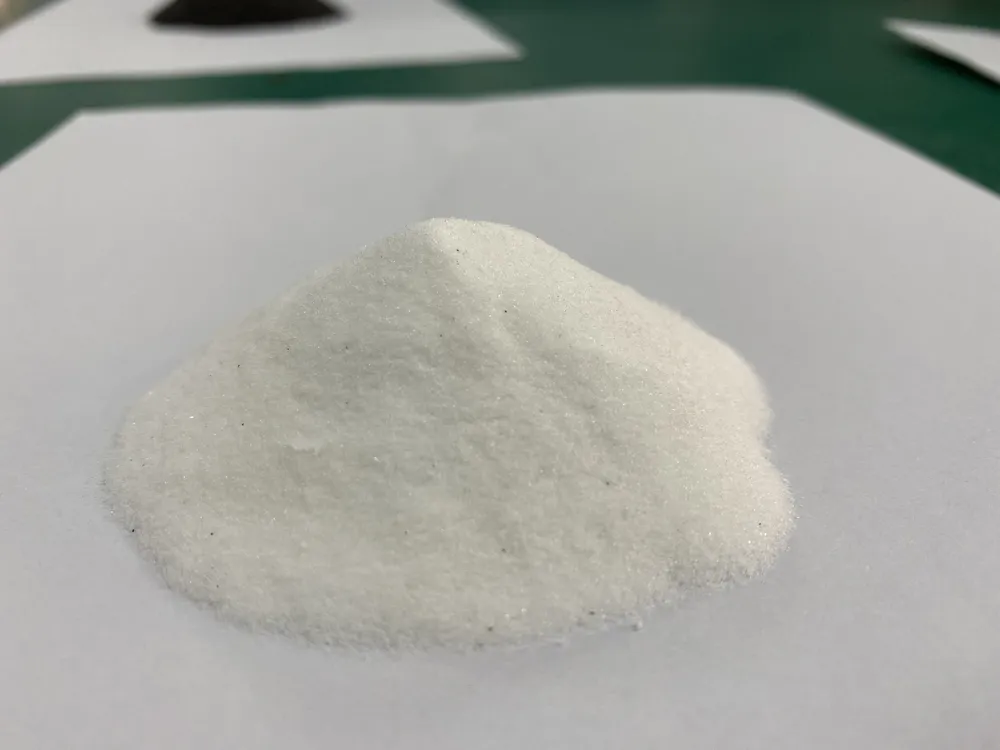
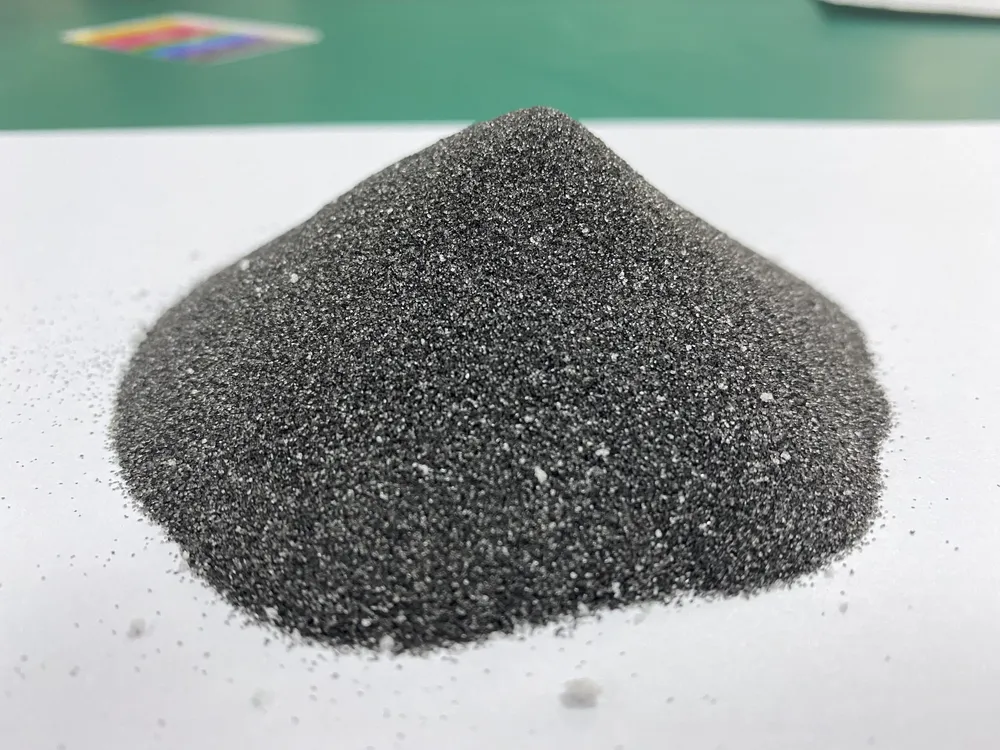
Differences between conventional and DTF hot melt powders
Traditional hot-melt powders were originally used with traditional inks. The advent of DTF printing technology and DTF inks naturally led to the development of corresponding DTF powders.
Process Variations
Traditional printing inks contain little glycerin and moisture, so the heat transfer powder doesn’t require thorough baking to dry. However, DTF printing inks are water-based and require powder application and baking to dry after being printed onto the film.
Usage Differences
Conventional hot melt powders have a relatively large particle size, equivalent to the medium or coarse particle size of today’s DTF powders. It is also not as soft and smooth as DTF powder and is slightly harder. However, transfer patterns are firmer with conventional hot melt powders.
Ingredient differences
Traditional hot-melt powders allow for the addition of various components to achieve different levels of firmness, texture, and tensile strength. DTF hot-melt powder, primarily composed of high-purity TPU powder, offers a balanced combination of texture, firmness, and tensile strength, meeting the needs of most applications.
Tips for Best Results with DTF Powder Application
Proper heat settings and transfer techniques
DTF powders can be used with a DTF oven, which is a specialized device for baking films with added powders. All you need to do is use the precise heat settings to ensure that the powder is fully melted and adheres correctly to the ink.
Storage and maintenance
Storing your powder in a cool, dry area prolongs its shelf life and prevents clumping. Keep it sealed and protected from humidity. Additionally, routinely check for any contamination or moisture buildup to preserve the powder’s optimal performance and maintain consistent printing results.
For details, you can refer to the storage conditions provided by us. Click here.
Conclusion
DTF hot melt powder is a different kind of powder from the traditional hot melt powder, which is specially used for DTF printing. It comes in different types and also different particle sizes. You just need to choose according to the effect you want to achieve.