
UV Ink: Categories and Application Guide
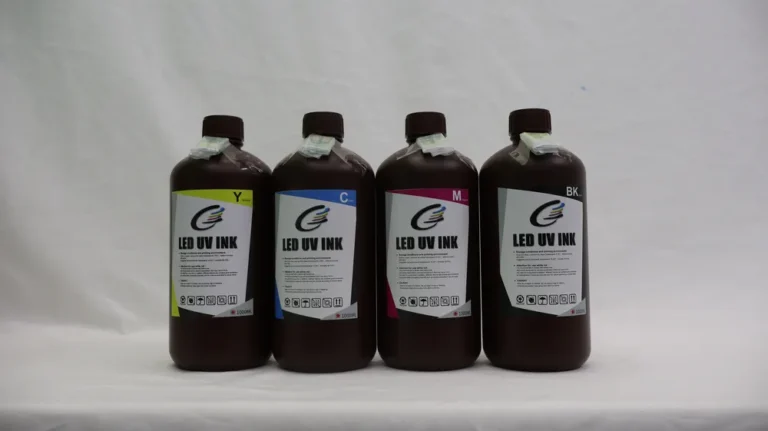
UV ink is often called "universal ink" by many users. This is mainly due to its wide applicability across industries. Products in almost every industry can be printed using this type of ink.

UV ink is often called "universal ink" by many users. This is mainly due to its wide applicability across industries. Products in almost every industry can be printed using this type of ink.
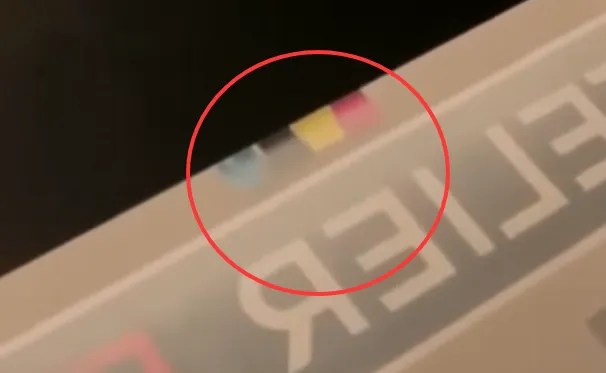
Printing DTF ink onto PET film is a necessary step in the DTF process, but many people have noticed color deviations during this step, leading them to believe that their ink has expired or that there is a problem with the printer nozzle.
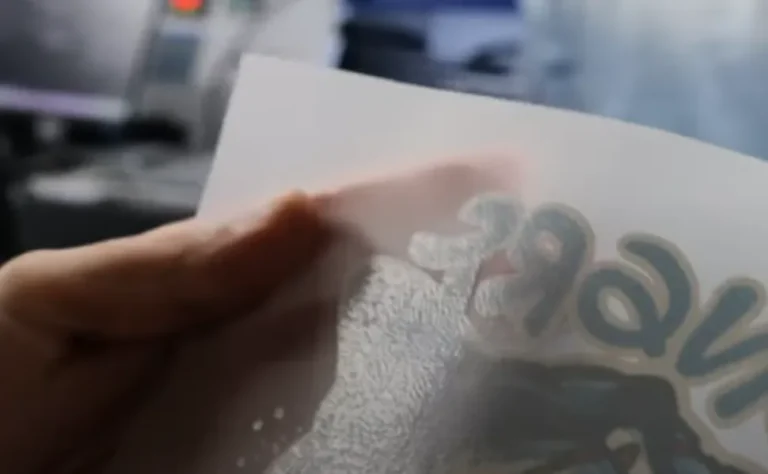
The issue of uneven powder baking in DTF printing rarely gets attention, but it's actually a factor that affects the quality of transfers. Many seemingly flawed, otherwise well-designed prints might have this as the root cause. This article will mainly discuss this point.
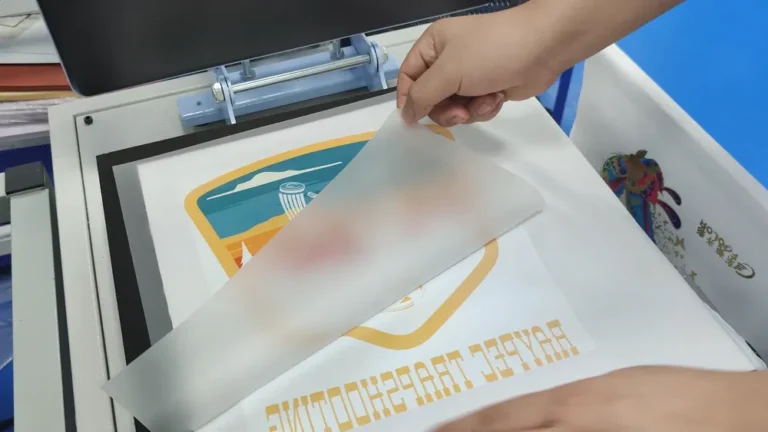
If you have completed your DTF printing and find that the film is not peeling properly, then this guide is for you. You need to know that this is not a normal occurrence for film. It is usually caused by some kind of problem.
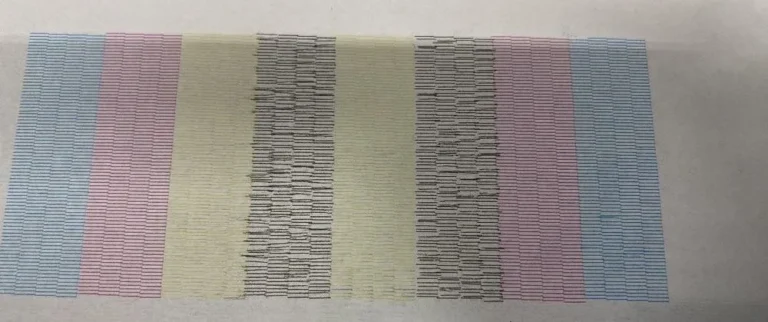
Companies using DTF printing often face the issue of expired DTF ink in their inventory. Without proper internal management, the wastage of a significant amount of ink can impact business development.
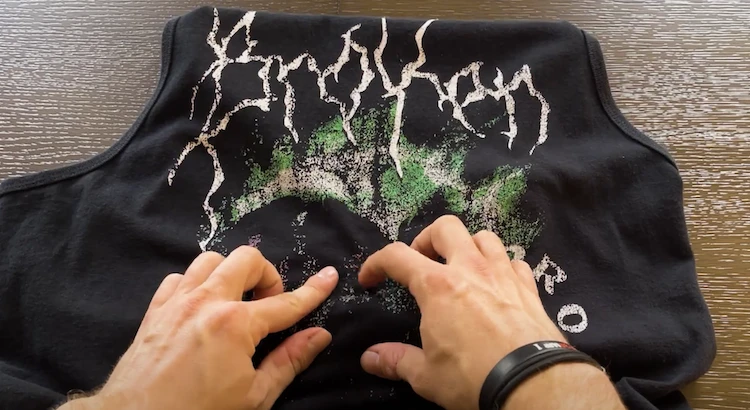
Stretch cracking" refers to the small cracks that appear in a DTF-printed design when the fabric is stretched. Sometimes these cracks are subtle, only becoming visible under significant tension, while other times they are quite apparent even with a gentle pull. It's natural for newcomers to DTF printing to wonder why their products exhibit this issue while others don't.
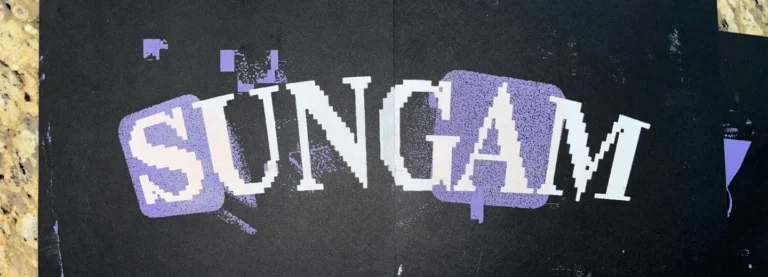
In DTF printing, bleed-through after printing is also called printing "bleed". It is used as a metaphor for excessive DTF ink output.
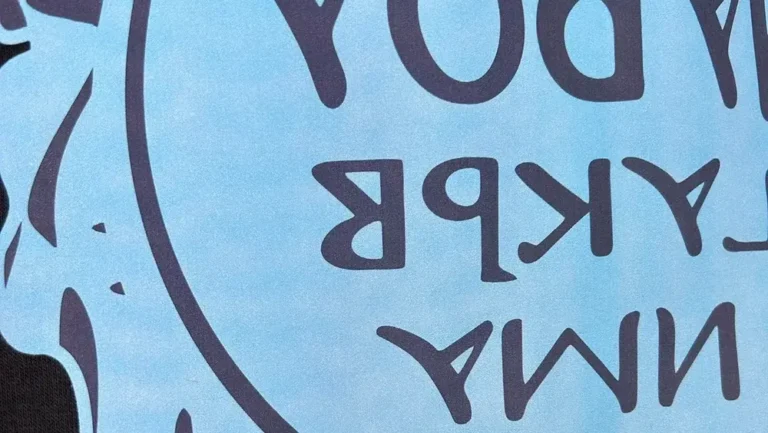
When using DTF ink, you might occasionally encounter a situation where the white ink on the film doesn't completely cover the colored ink, causing some of the colored ink to show through. This phenomenon is commonly referred to as "bleed-through".
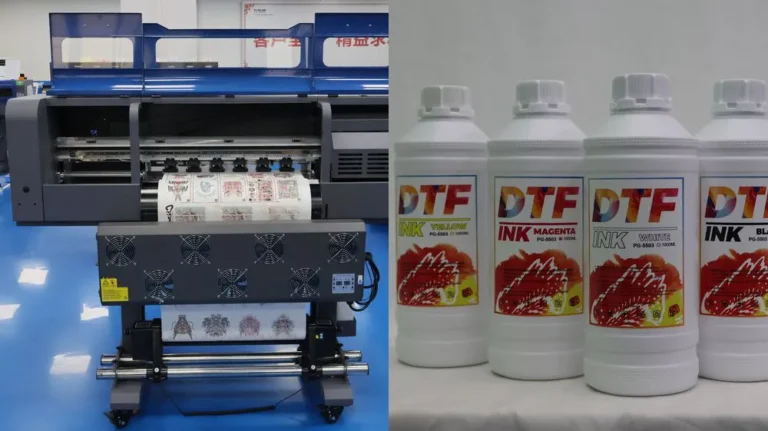
If you're thinking about putting DTF ink into a heat transfer printer, stop right now – it won't work. Generally speaking, DTF ink is only suitable for DTF printers, and sublimation printers have their own dedicated ink! Although both types of ink are used to transfer designs onto substrates, they're based on completely different technological principles. Mixing the two not only leads to poor results, but could also damage your printer.
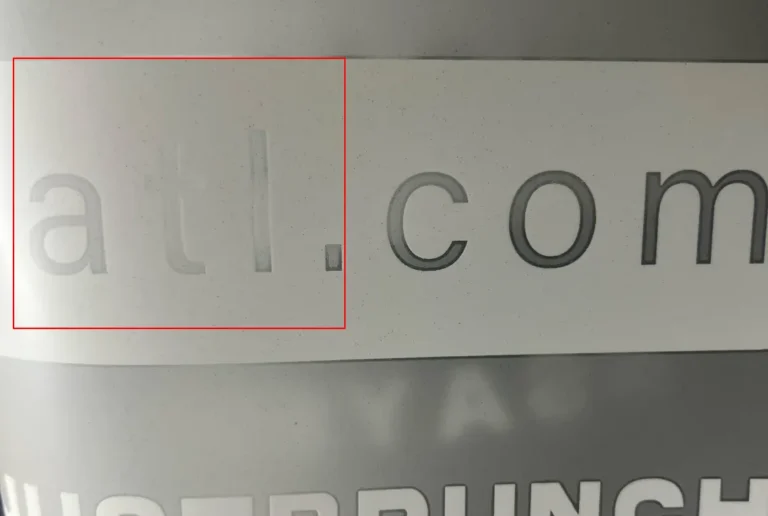
The use of DTF printer ink breakage phenomenon is very common, which is usually related to the printer's maintenance, the use of consumables. Especially if the printer has been used for a long time without maintenance. Strictly speaking, the printer referred to here refers to the printer in the output of ink from time to time. Similar to an intermittent feeling.