
Problems Often Encountered When Using Sublimation Inks
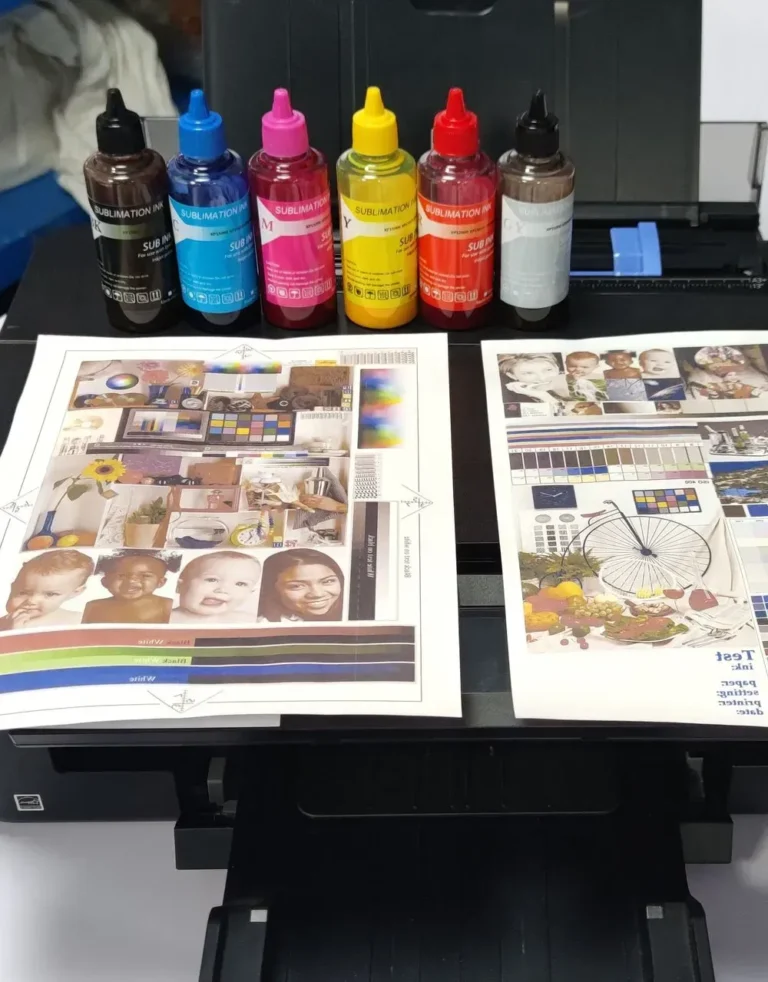
Sublimation printing isn't flawless, and many times you'll encounter a variety of problems when printing with sublimation inks. Below I will discuss a few common problems and their solutions.

Sublimation printing isn't flawless, and many times you'll encounter a variety of problems when printing with sublimation inks. Below I will discuss a few common problems and their solutions.
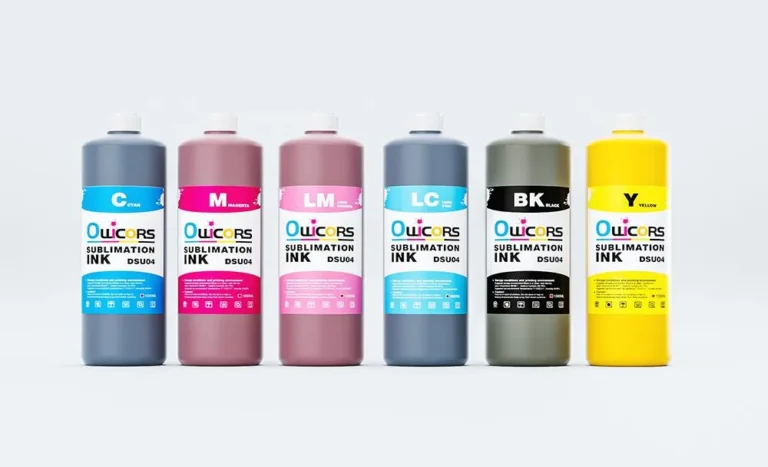
In the printing industry, sublimation printing with sublimation ink is a normal thing. However, many people don't actually know very much about sublimation ink. Here are 9 facts about it that will be explored.
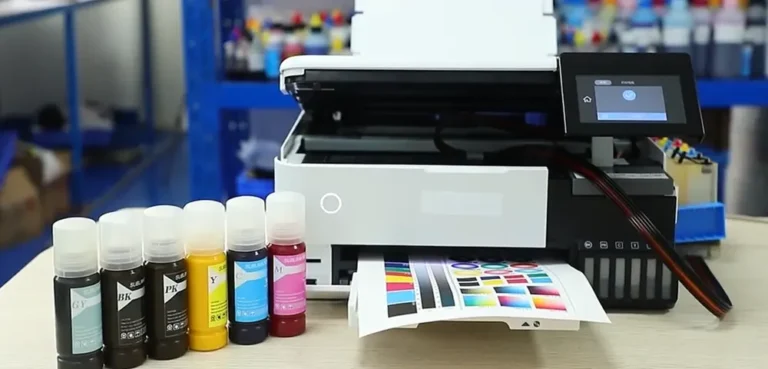
Dye-sublimation inks are a presence to be reckoned with in today's printing market. In this article, we will explore some of the facts about this type of ink.
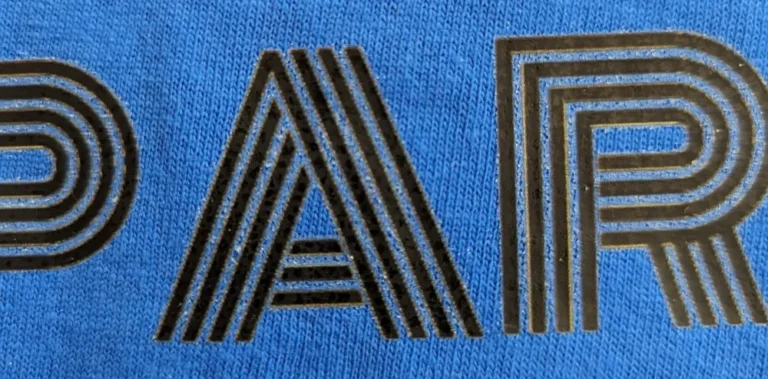
When printing designs onto DTF film using a DTF printer, you'll need to "powder" and "shake" the film. However, many encounter issues with this process, the most common being powder sticking to the film and refusing to shake off. This article explores why this happens and how to fix it!
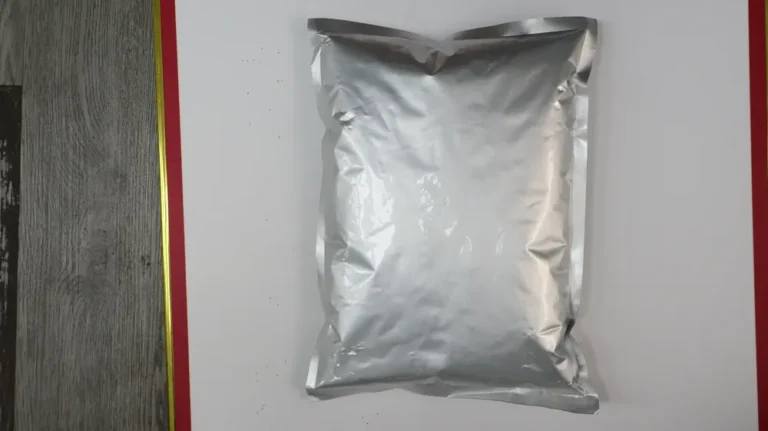
Choosing DTF printing for fabric printing inevitably involves using DTF hot melt powder. Understanding this powder is key to efficient printing. This article will discuss powder-related knowledge, including its production, application, types, and use.
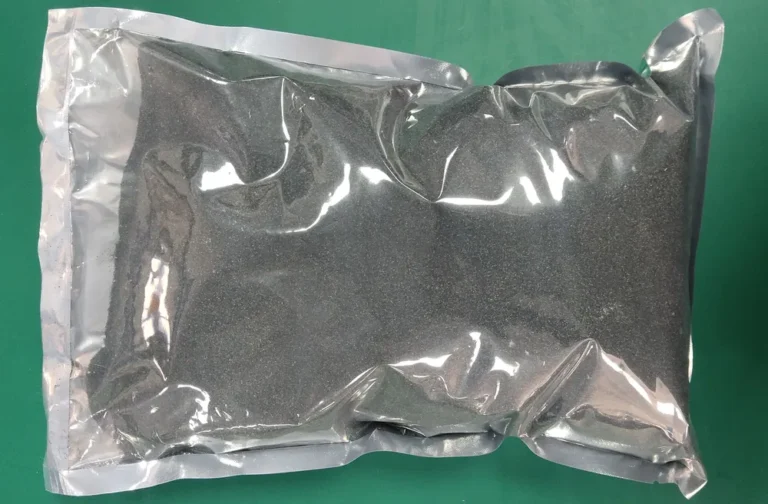
Understanding DTF hot melt powder is essential for anyone working with DTF printing. Knowing how DTF transfer powder enhances the quality of garment printing by improving durability and overall feel is crucial for successful DTF printing. This article will provide a quick guide to this.
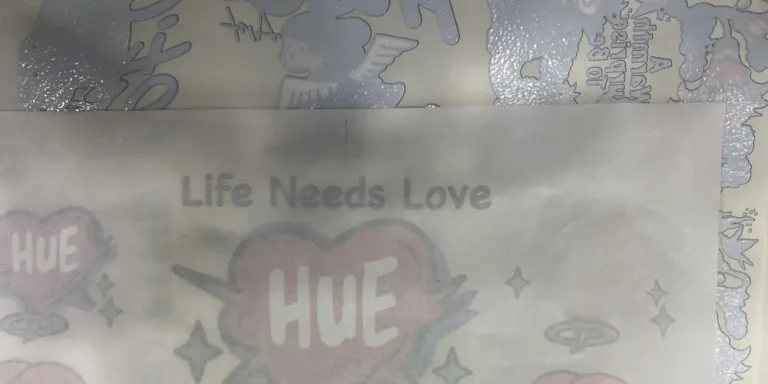
DTF (Direct-to-Film) transfer films, commonly used in textile printing, are made of PET material. They are available in white or translucent varieties, as well as specially treated options. This paper will explore my understanding of transfer films.
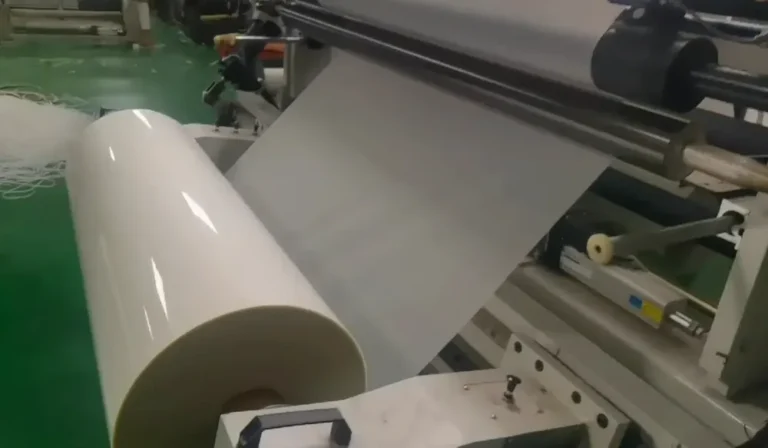
Regardless of where you buy DTF PET film, determining its quality is a priority. There are many different types of DTF film available on the market, so there will be differences in quality. This article will explore some of the corresponding solutions.
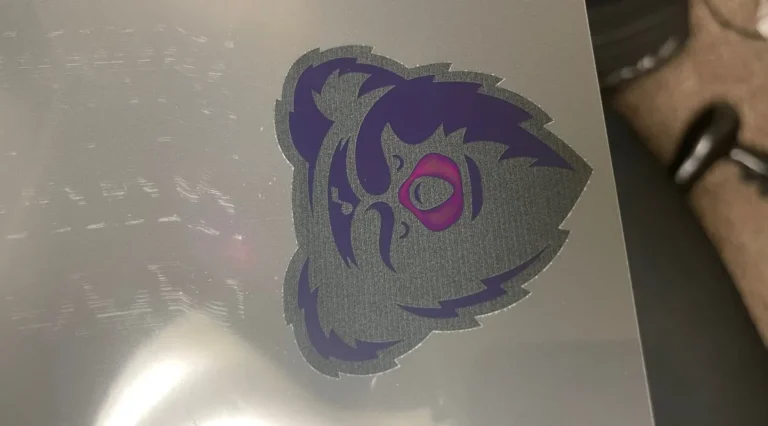
Color deviation may occur in actual use of DTF ink. Sometimes it does not appear at first, but it does after a period of use or after changing to other inks. So why does this happen? How should this problem be solved? This article will take you to understand these problems.
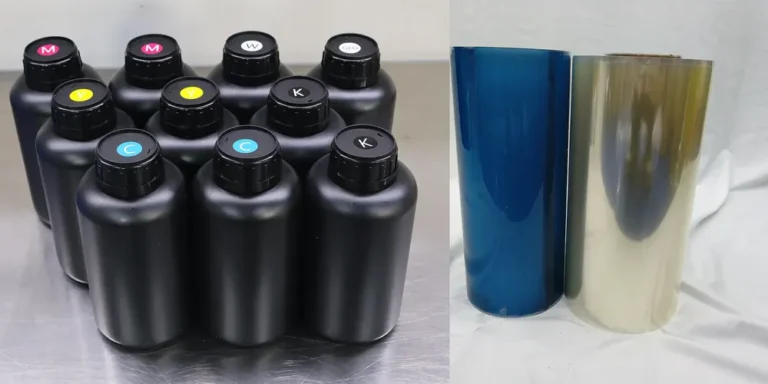
UV DTF consumables consist of ink and AB films. The printing process involves applying ink to the film, which is then cured using UV light, the film is then used for transfer printing. This technique is distinct from DTF printing, requiring a different set of steps. This article will take you through some of the things you need to know about this consumable.