
DTF Film
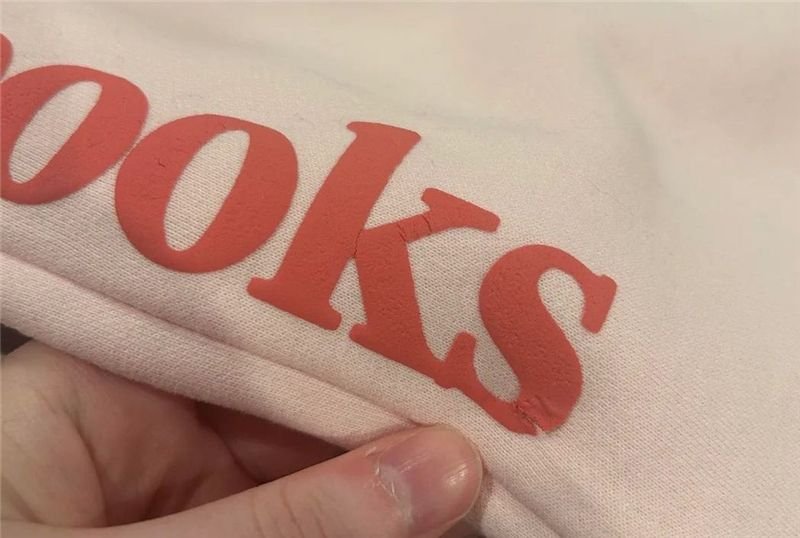
Why Are DTF Transfers Cracking
When performing DTF printing, one of the most common phenomena that most people encounter is: “DTF print cracking”.
When performing DTF printing, one of the most common phenomena that most people encounter is: “DTF print cracking”.
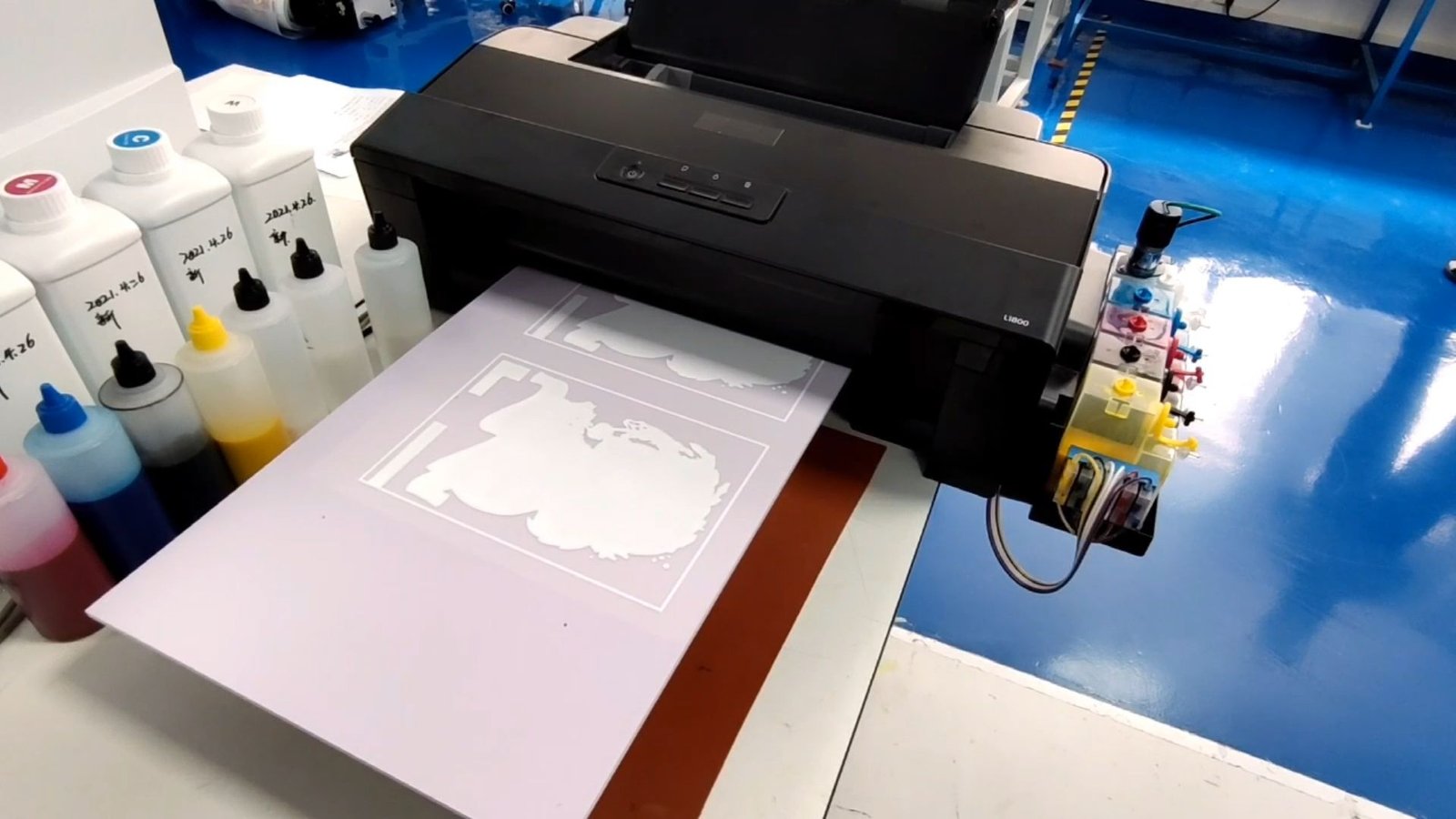
With regards to DTF printing, many of you want to have your customized designs done from the comfort of your home. This is one of the more mainstream printing methods nowadays. So how exactly do you print DTF transfers at home? Let us take you through the whole process.
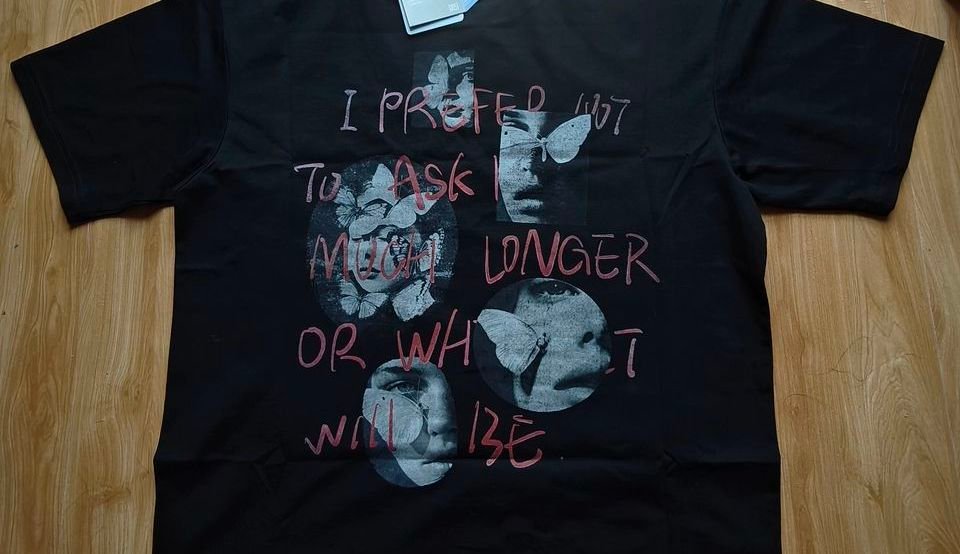
So, you’ve got a killer design, a bunch of blank black shirts and a DTF printer ready to go. But then the question arises – will it show up correctly on black fabric, and can DTF really handle it? Short answer: yes, and if done right, it will look great.
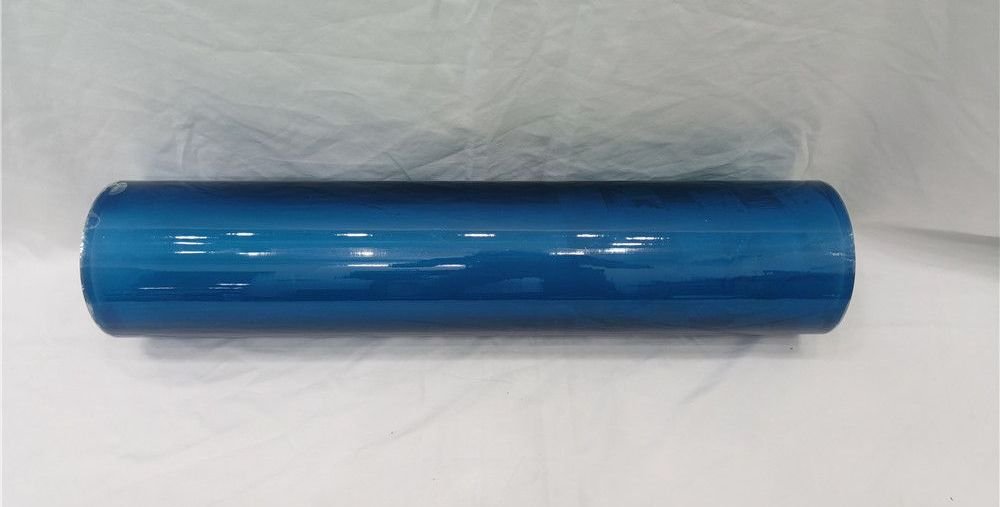
Many UV printers can be modified to make UV DTF printers, a change that requires only the addition of interacting rollers and cylinders. This usually makes UV DTF AB Film easier to use.
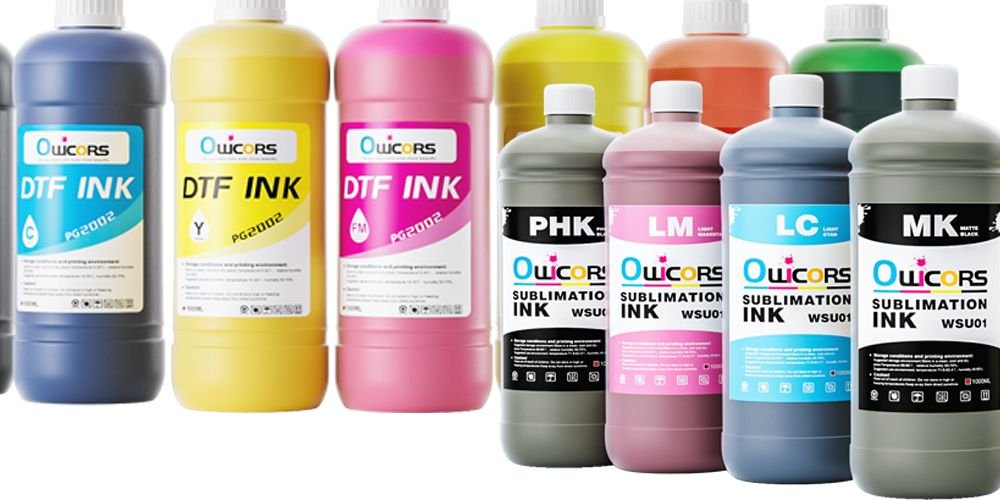
DTF ink and sublimation ink are not the same. Many people think they are similar, to the point where they use them interchangeably.
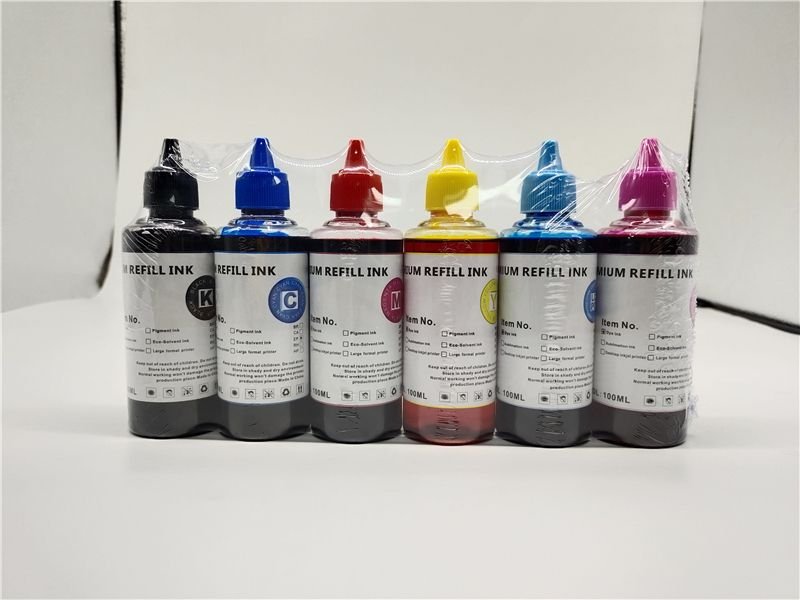
Want to use regular ink for DTF transfers? I don’t recommend you do that. There is no way that regular printer ink can play a full role in DTF printing, and trying to do so may result in fading, cracking or peeling of the print.
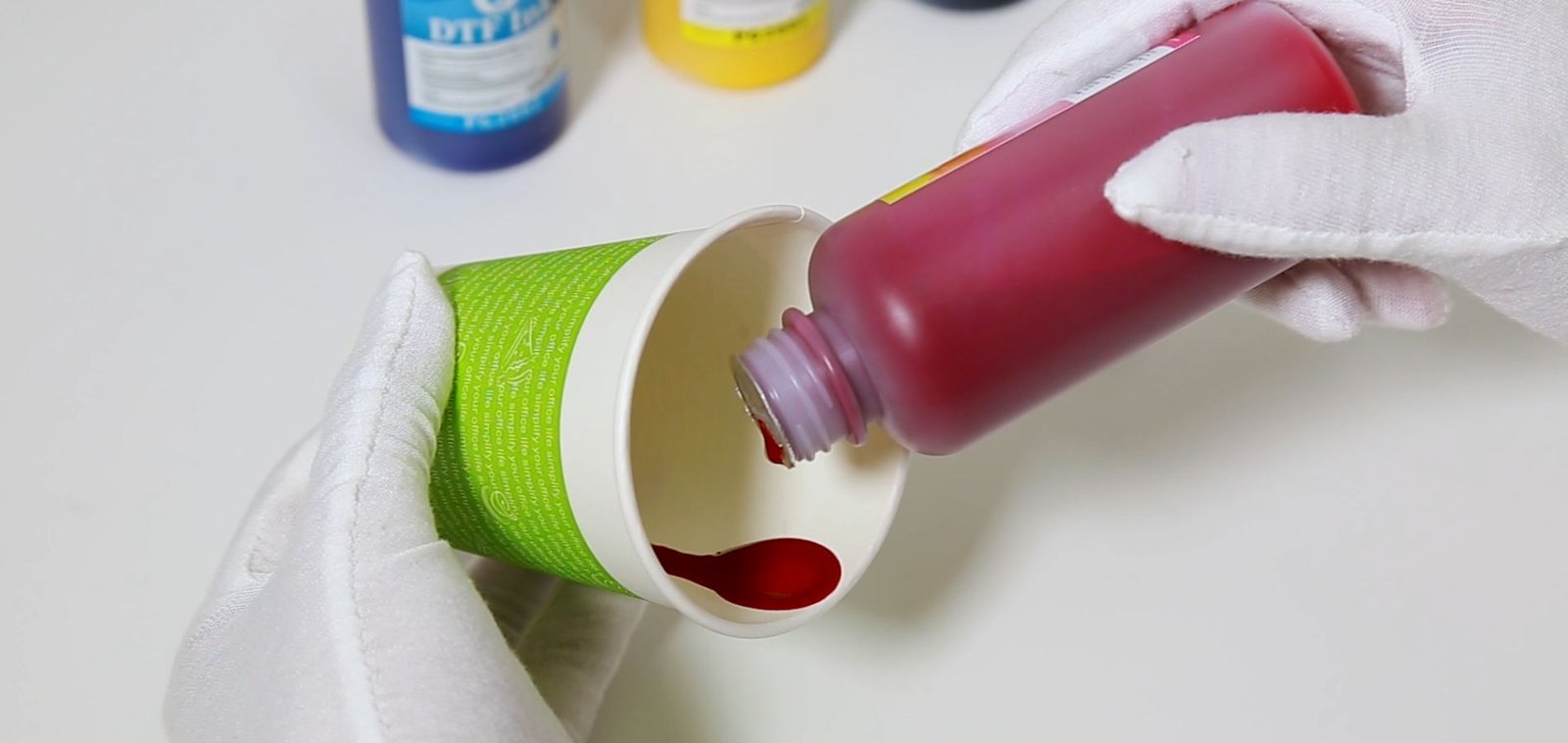
Most DTF inks on the market are water-based, but many people don’t really understand what “water-based” means. Early inks were mostly oil-based and had a distinct odor. And water-based inks are the result of technological advancements.
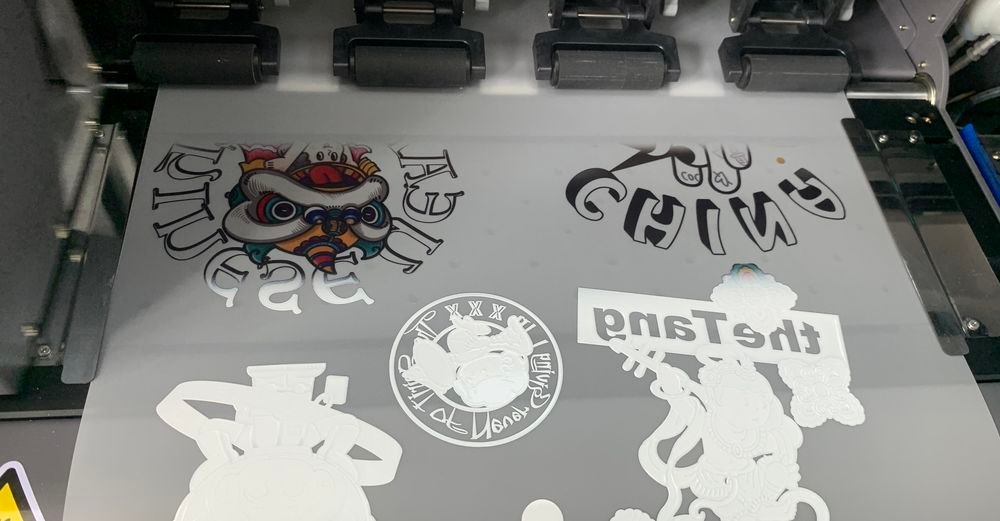
DTF (Direct-to-Film) printing is changing the way we think about textile printing. With DTF transfer film, you can print vibrant, full-color images that apply to a wide range of fabrics — cotton, polyester, blends, and more. But how exactly do you print on DTF transfer film?