

In our own small workshop tests, we’ve repeatedly found that when handled correctly, DTF sheets adhere to polyester fabrics with excellent color brilliance and stretch retention, making it a reliable choice for businesses and hobbyists alike.
In our own testing, we’ve found numerous times that DTF transfers on polyester fabric are not difficult if done correctly.
Why Can DTF Sheets Successfully Transfer To Polyester?
The DTF film’s success in transferring designs onto polyester fabric has nothing to do with the film itself, but rather with the DTF printing process. Here’s why it’s successful:
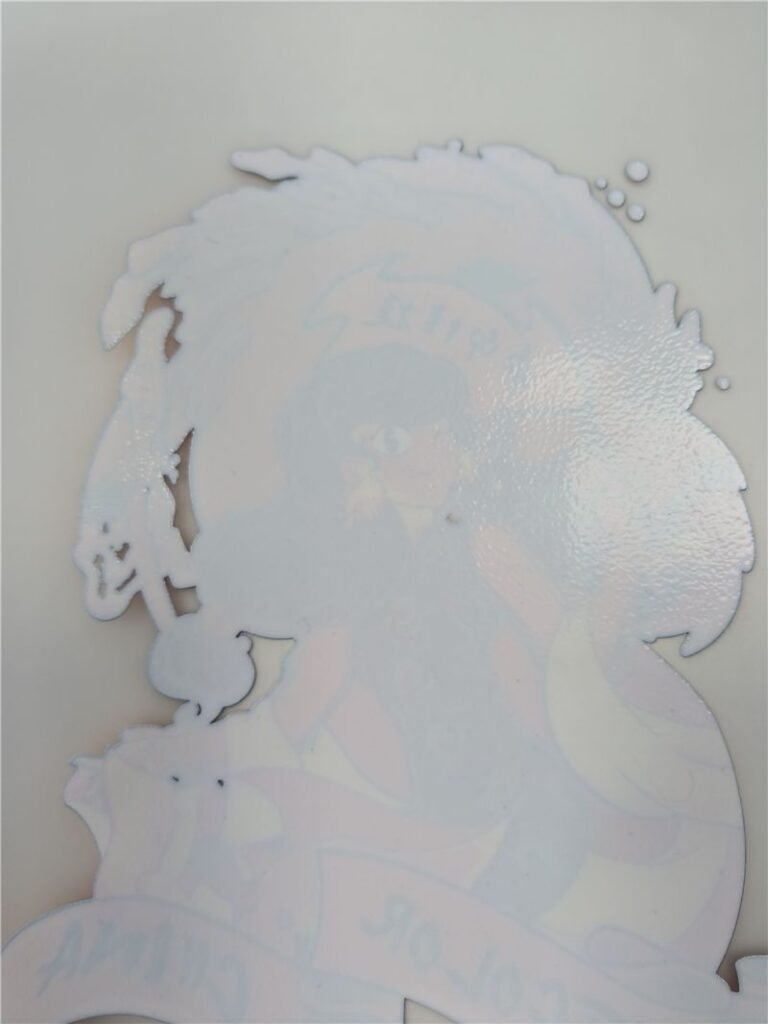
- DTF sheets are simply a transfer medium. First, the design is printed onto the DTF sheet using special DTF inks. Then, the ink is covered with a powder adhesive.
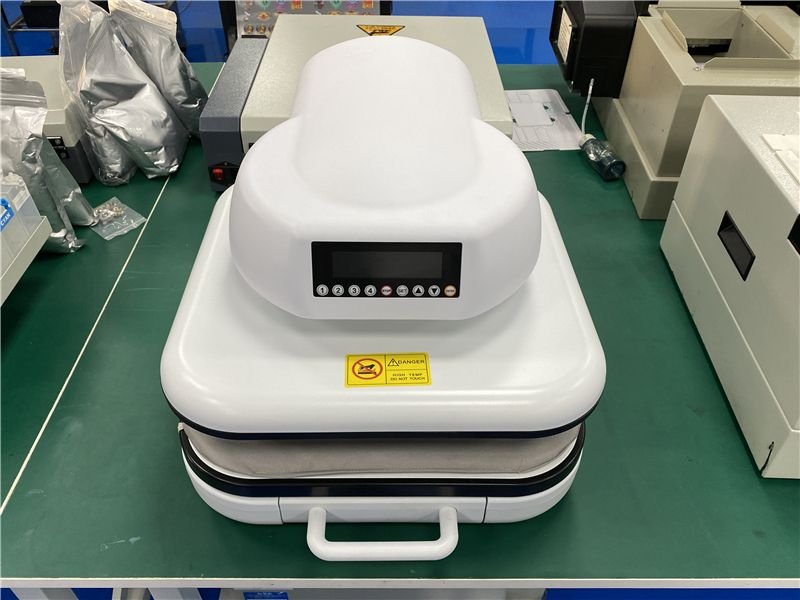
- Ink and powder on the transfer film are key elements. During the heat-pressing process, the ink and cured powder are transfer-bonded to the surface of the polyester fabric. This transfer-bonding process occurs on the surface of the fabric rather than through sublimation absorption, making it effective on synthetic fibers as well.
- DTF transfers only need the fabric itself to be suitable. And the temperature of polyester fabrics for sublimation transfer heat pressing is higher than when they are subjected to DTF transfer. Therefore it is desirable to use DTF printing process.
Here, you might need to understand the workflow of DTF. Please see: DTF Transfer Film Sheets How To Use?
Beyond Polyester: What Other Materials Work With DTF Sheets?
DTF sheets can also be used to transfer designs onto a wide range of unconventional materials, including:
- Nylon and high-elasticity fabrics
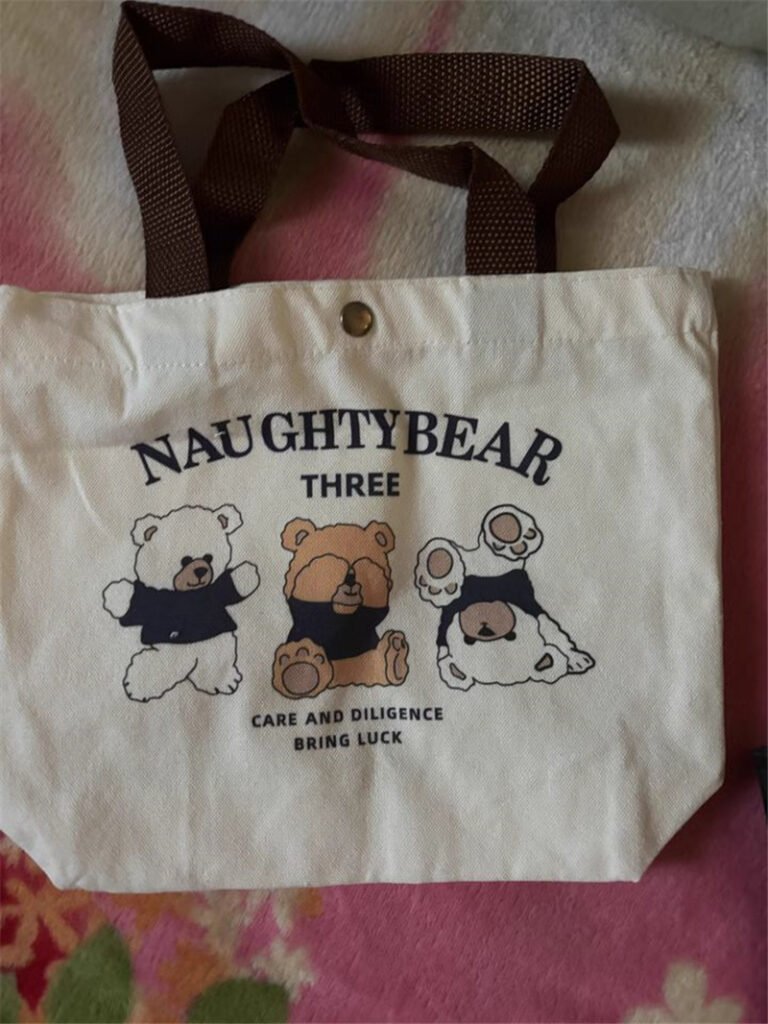
- Canvas and coated fabrics like umbrellas and tote bags
- Synthetic leather or faux leather
Similar materials can also be heat-transferred using DTF Sheets. However, individual materials may require some pre-treatment due to practical circumstances. For example you need some special powders or a primer for the substrate in advance.
If you want to learn how to print film, see: How To Print On DTF Transfer Film?
Key Considerations When Using DTF Sheets On Stretchy Polyester Fabrics
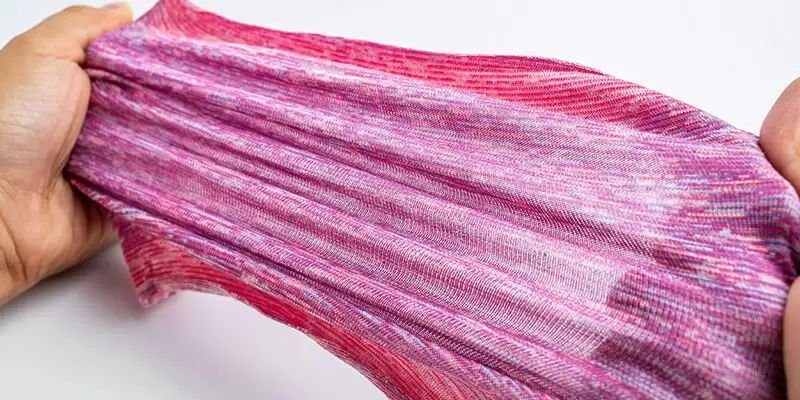
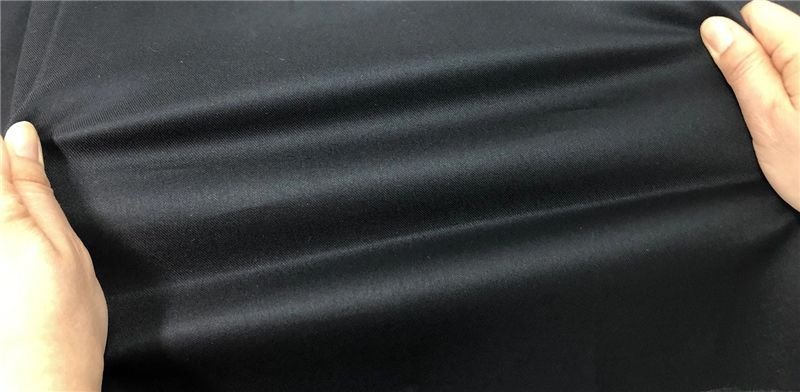
While DTF can indeed be used to transfer designs onto polyester fabrics, it’s important to recognize that not all polyester fabrics are created equal. Some polyesters are blended fabrics, such as those containing elastane (spandex), or are knitted in a way that gives them a certain degree of stretch.
DTF printing is inherently less suited to fabrics that undergo frequent stretching or deformation.
Why Does Cracking or Peeling Occur On Stretchy Polyester?
In our experience—and echoed by many in the DTF community—prints transferred using DTF onto stretchable polyester can begin to crack, peel, or flake over time, especially when subjected to:
- Repeated wearing and stretching (e.g., sleeves, leggings, compression wear).
- Aggressive washing cycles and heat drying, which add stress to both the fabric and the transferred design.
- Abrasion in high-movement areas, where the fabric stretches and contracts frequently.
This happens because DTF transfers form a solid ink layer that bonds to the fabric surface, but doesn’t integrate into the fibers themselves, making it more prone to surface damage when the fabric is highly elastic.
See also: How To Print DTF Transfers at Home
How To Minimize These Issues?
If you still wish to use DTF sheets on stretchy polyester, there are mitigation strategies:
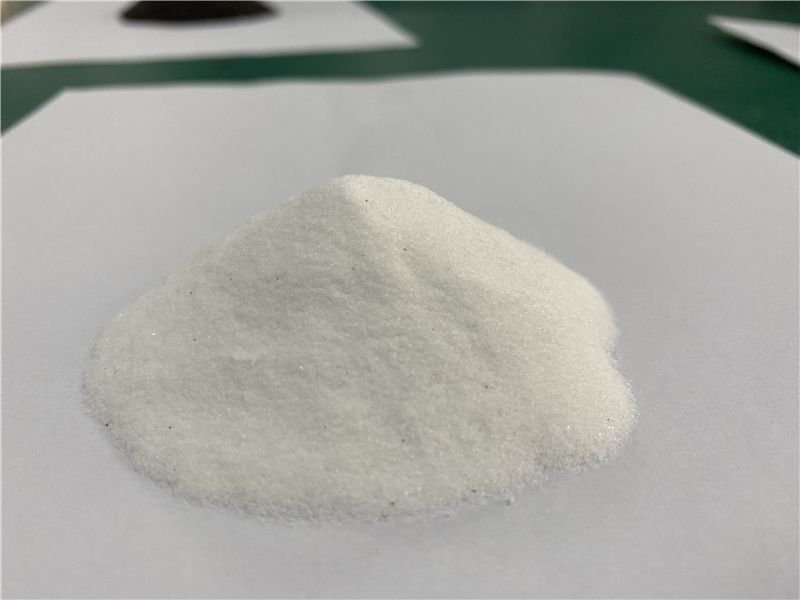
- Use high-elasticity hot melt powders: These specialized powders create a more flexible adhesive layer that can better withstand fabric movement and stretching. The result is a transfer that stretches along with the fabric rather than cracking immediately.
- Opt for soft-feel DTF powders: Powders formulated for softness also offer improved stretch recovery and comfort. Ensuring the print feels less stiff and performs better under physical stress.
- Test your transfers under simulated wear and stretch conditions: Before mass production, always perform wash, stretch, and wear tests to ensure the print maintains integrity over time on the specific polyester blend you are using.
In our lab trials, switching to elastic DTF powder improved the durability of transfers on polyester sportswear by up to 40% in stretch tests, compared to standard powders.
See also: A Quick Guide to DTF Hot Melt Powder
Important Reminder
For highly elastic fabrics (like yoga wear, compression garments, or swimwear), DTF printing may still not be the ideal choice, even with the right powders. In this case, sublimation printing might be a better choice.