

In this article, we will analyze why you can’t use regular printer ink for DTF transfers, the differences between DTF inks, and the practical consequences of using the wrong ink.
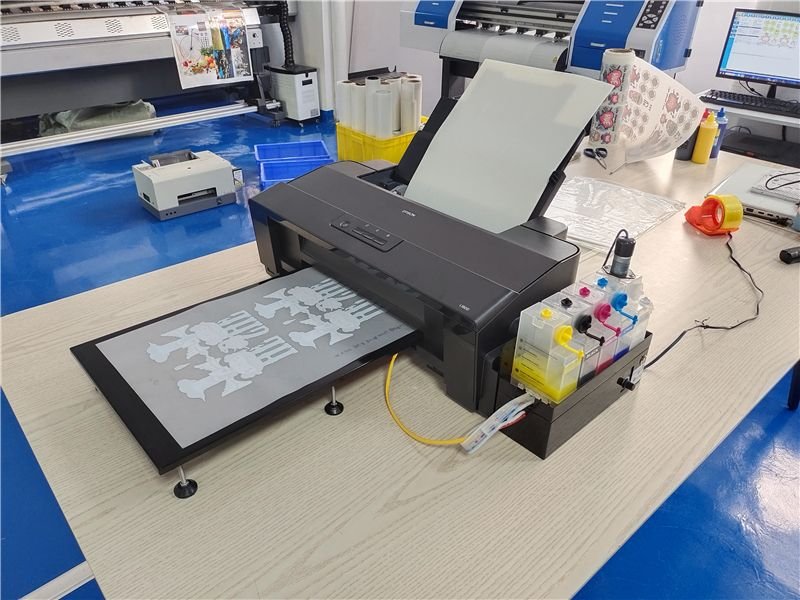
Why Regular Printer Ink for DTF Transfers Doesn’t Work
Most printers won’t recognize if the ink you’re using is correct or not. At first glance, using regular ink might seem more cost-effective—it’s cheap and doesn’t look any different. But the truth is, regular ink isn’t designed for films and hot melt powder. This fundamental issue determines the limitations of regular ink. Here’s why it fails when used for DTF:
- Categorization is tricky: Many common inks won’t work for DTF printing. You might be able to print with them onto the film, but what happens during the powdering and curing stage? What if the ink fades when baked?
- Susceptible to Fading: DTF printing is primarily done on fabrics, which means washability is a key concern. If the ink doesn’t bond well with the powder, wash resistance can easily become an issue.
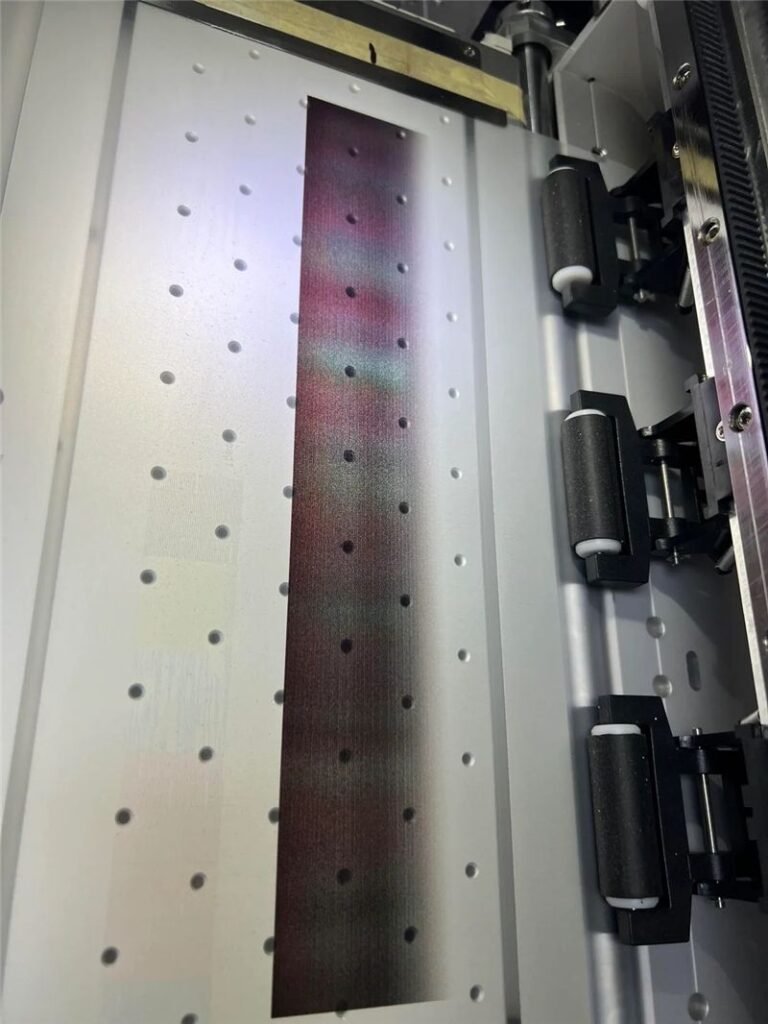
- No White Ink: Some common inks do not include white ink. However, white ink is essential for enhancing the depth and dimension of designs in DTF printing. Furthermore, the consumption of white ink significantly exceeds that of color inks during the printing process.
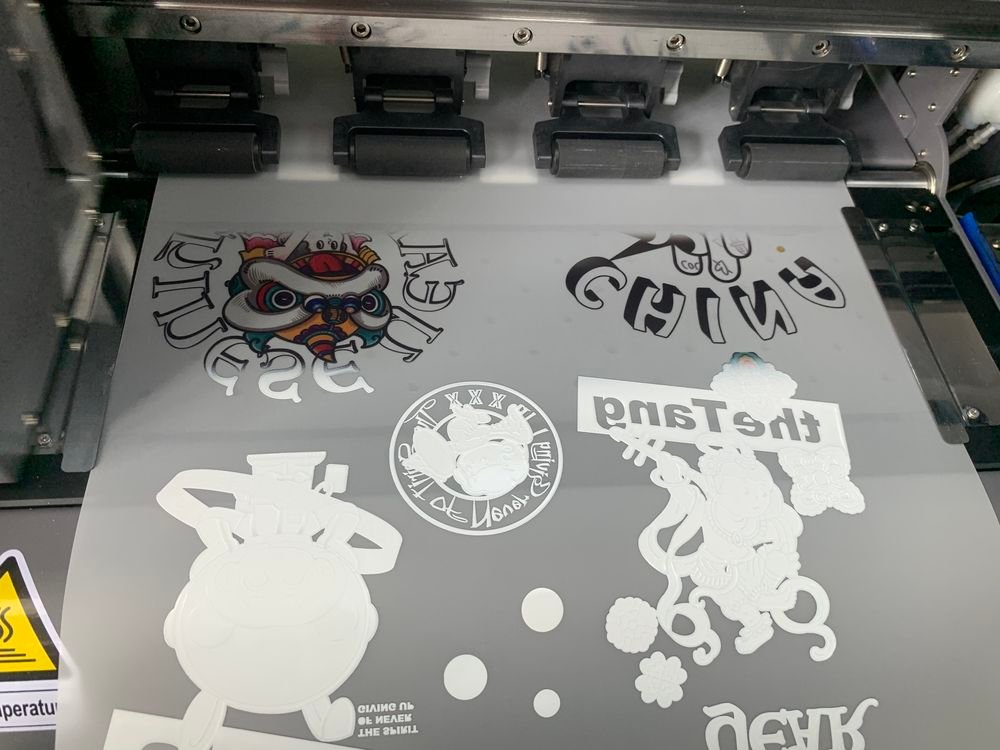
- Not Suitable for Heat Transfer: Standard inks typically lack the properties required for heat transfer. Even if successful, issues like dullness or fading will persist.
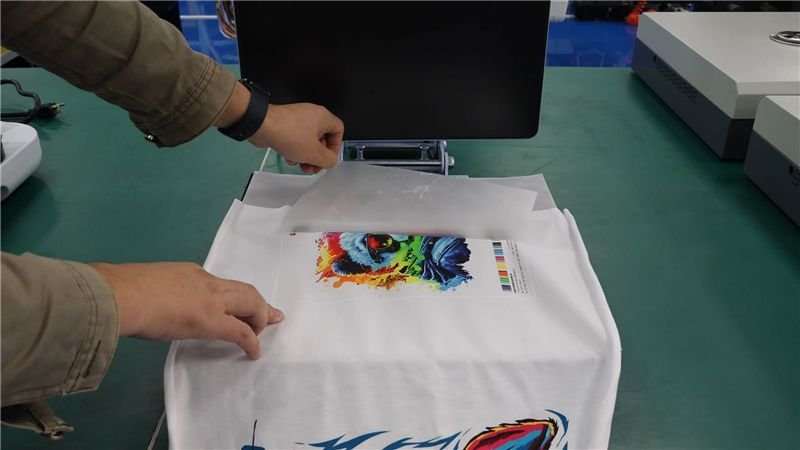
This isn’t to say that DTF ink is magical. It’s mainly because it was created specifically for DTF printing. The entire printing process has been validated by users in the market, which is enough to demonstrate the strong correlation between them.
There are times when it will dull even with DTF ink. See specifically: Why Does DTF Inks Fade and Dull? Common Causes & Solutions
The DTF Process Demands Specialized Ink
Let’s quickly recap how DTF printing works so we can see where ink plays a role.
- You print your design onto a PET film using DTF ink.
- Sprinkle adhesive powder on the ink.
- Cure the powder with heat.
- Transfer the design onto fabric using a heat press.
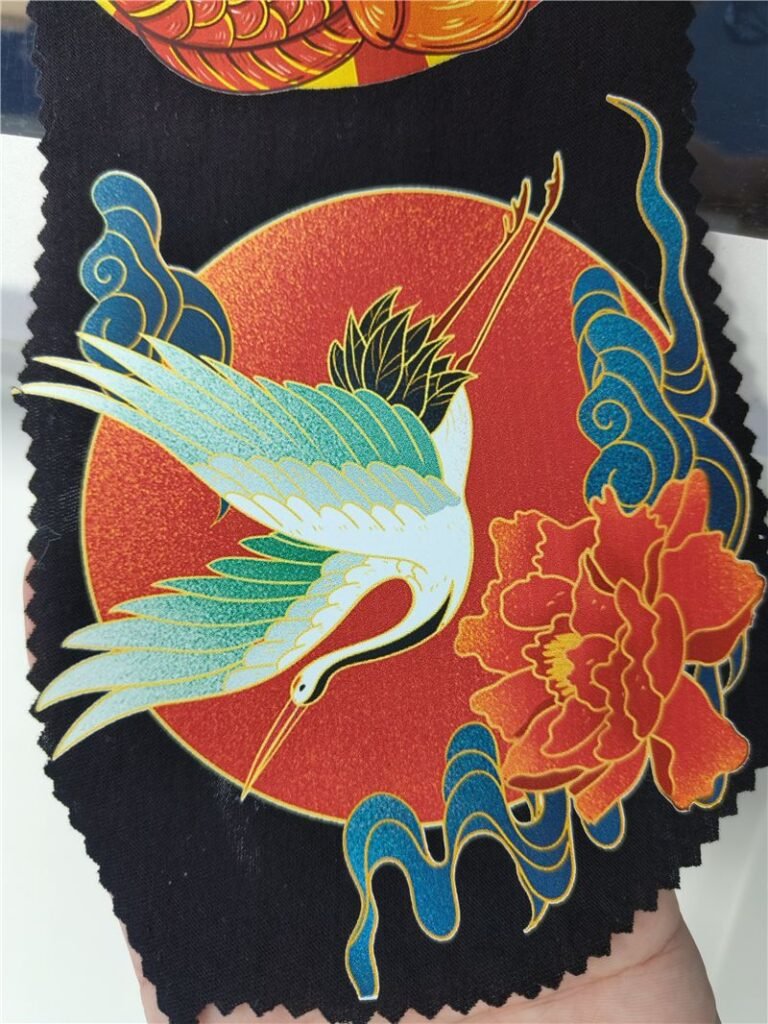
Each of these steps hinges on the unique properties of DTF ink:
- Pigment-based, water-based ink
- Capable of maintaining its properties under high temperatures
- Able to work well with other aspects of the process
For more information on DTF inks being water-based, see this article: Is DTF Ink Water Based?
Regular printer ink simply cannot handle this process. It may be that it can withstand some high temperatures, but it may not be able to withstand a specified range of temperatures like DTF ink. When the powder is sprinkled on a film printed with regular ink, the powder may not adhere well to the ink for baking either.
DTF Ink vs Regular Ink: What’s the Difference?
Let’s look at the core differences between regular printer ink and DTF ink:
1. Formulation and Ingredients
- Plain Ink: Usually dye or pigment based and designed for smooth paper surfaces. There is no chemical structure to bond to fabrics or powders.
- DTF Ink: Pigment-based, water-based ink containing special resins and polymers that bond to hot melt adhesives and fabric fibers at high temperatures.
2. Color Performance
- Regular ink may work well on white paper, but it fails to produce vibrant colors on textiles.
- DTF ink is specifically designed for printing on textiles, so its color performance must ensure eye-catching results on fabrics; otherwise, it won’t sell.
3. More Types Of Colored Ink
- Regular Ink: Common ink offers broader support for color inks, even more so than DTF ink. However, if the pigment components aren’t right, it can’t print layered designs on film without blurring or shifting.
- DTF Ink: Has fluorescent and special colors that are specifically printed on textiles. Although it does not have as wide a variety of colors as regular ink, it does not look monotonous when used for design. The premise is that you need to have configured ICC curves.
4. Durability
- Normal inks: It is not yet known what the shortcomings of normal inks are with regard to the durability of textiles.
- DTF inks: Various test reports are available, with slightly different results from different manufacturers.
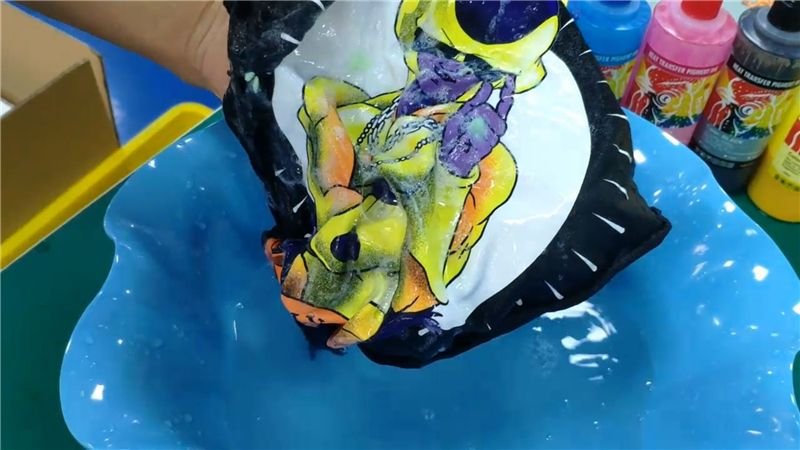
What Happens If You Try It Anyway?
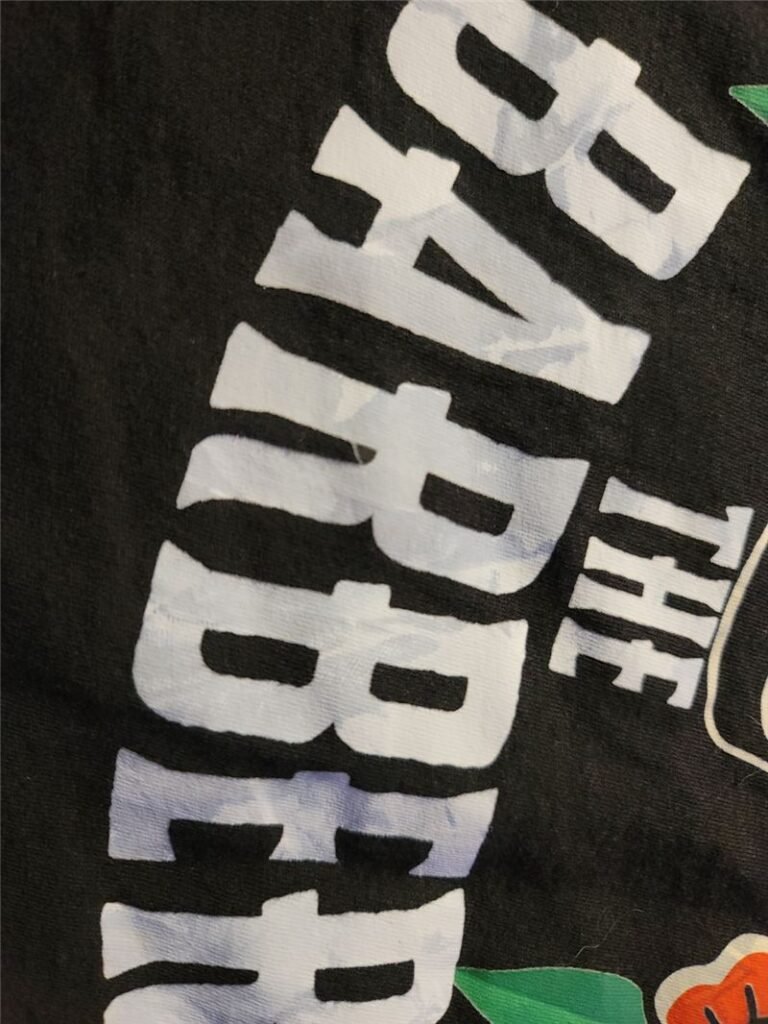
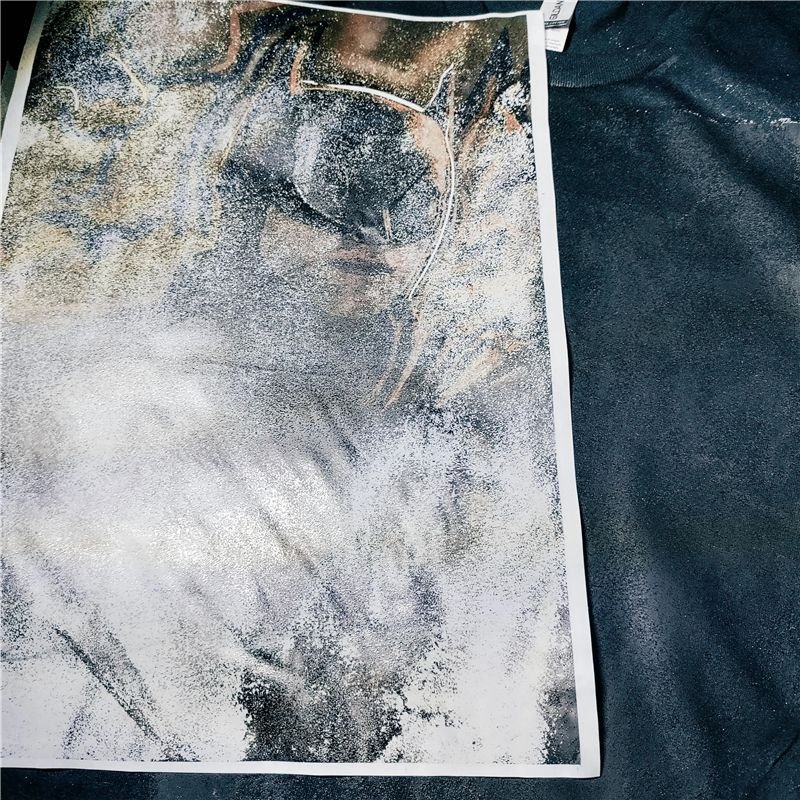
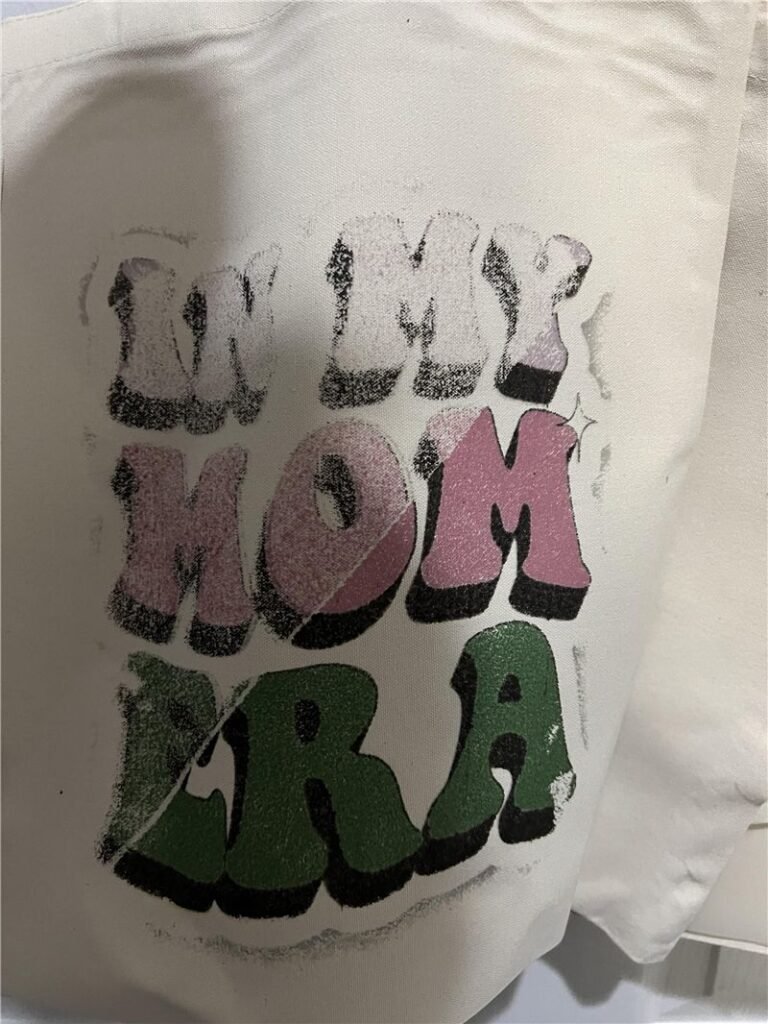
If you’re still curious about using regular ink in DTF transfers, then you need to be prepared for these situations.
- The ink won’t bond well with the adhesive powder.
- The transfer might partially stick, but cracks or peels after the first wash.
- Colors appear dull and lifeless.
- Designs on dark fabrics will disappear without a white underlayer.
- Ink cannot be transferred to the fabric during heat press transfer.
Final Verdict
So—can you use regular printer ink for DTF transfers? Technically yes. Practically? Absolutely not.
You might see a faint image after heat pressing, but it won’t last. The lack of adhesion, poor durability, and weak color performance make regular ink a bad fit for DTF.
If you’re experimenting, go ahead and try—but set your expectations low. For real, long-lasting results, DTF ink is the only way to go.
Have You Tried It?
Have you ever experimented with regular ink for DTF? What were your results like? Share your story in the comments—we’d love to hear how it turned out (even if it went horribly wrong).