

DTF ink is a chemically synthesized substance, different from ordinary ink. Insisting on using it past its expiration date will not yield good results; instead, it will negatively impact your order production. It determines whether the production process proceeds smoothly or gets bogged down in clogging, color deviation, and reprints.
Most DTF pigment inks, when stored properly, maintain a “theoretical” stability of about 12-18 months from the date of manufacture. Once opened, exposure to air, light, and temperature fluctuations will shorten its shelf life. Therefore, it should be given enough attention. This article will focus on discussing this aspect.
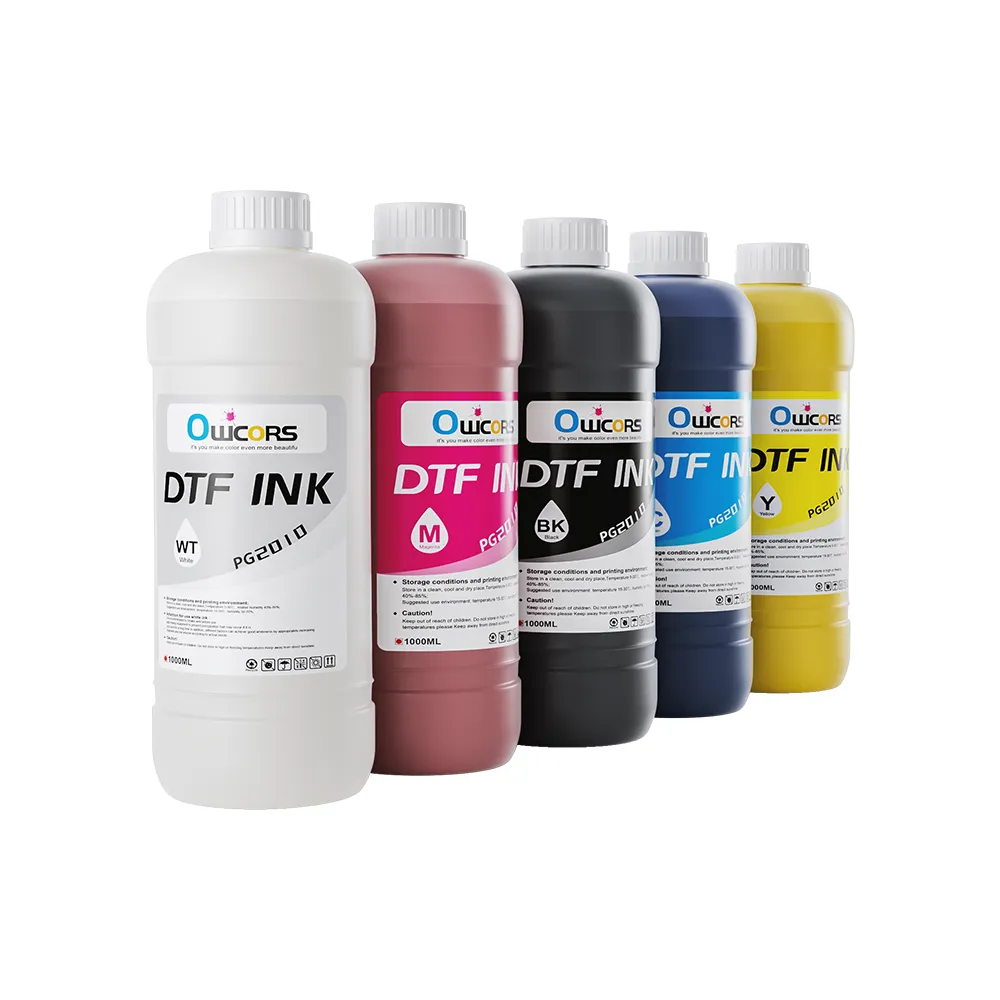
Signs of DTF Ink Expiration
First, we need to understand the signs of expired ink so we can proceed with the next steps.
Visual & Smell Checks
Uncap the bottle and check for thick layers or coarse particles of sediment that don’t easily dissolve. A thick, white layer is especially noticeable when looking into the bottle opening. The product is likely expired if you see stringy flows, a gel-like texture, or detect a sour/chemical odor, as these indicate biological or chemical decomposition rather than normal settling.
Printouts Are Not Smooth
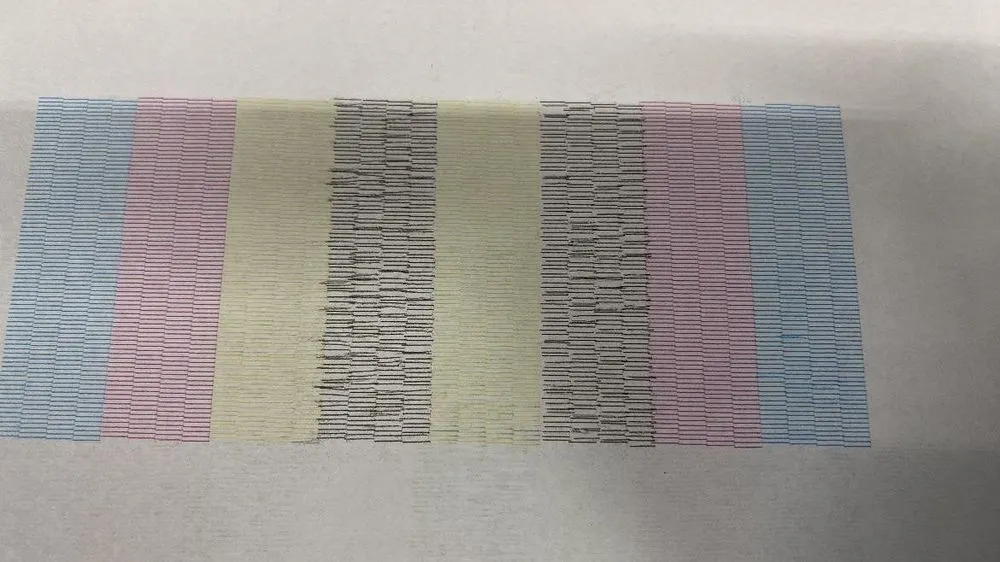
Expired ink often leads to intermittent printing issues, such as streaking, inconsistent dot placement, or the need for frequent nozzle checks to maintain proper flow. This is usually quite noticeable. If your printer rarely had output problems before, but is now consistently experiencing similar issues, it could indicate the use of expired ink.
Similar questions can be found at:
- What Causes DTF Ink To Bleeding Ink When Printing
- What Should I Do If The DTF Ink Breaks During Printing
- What Causes Color Deviation In DTF Ink Printing
When refilling, you might also notice that the ink has an unusually thin or thick consistency, suggesting that its viscosity has changed. The best way to check this is to compare it with unexpired ink and see if there is a difference.
The smooth printing results are visually reflected in the image below, where the pattern on the film appears without any issues.
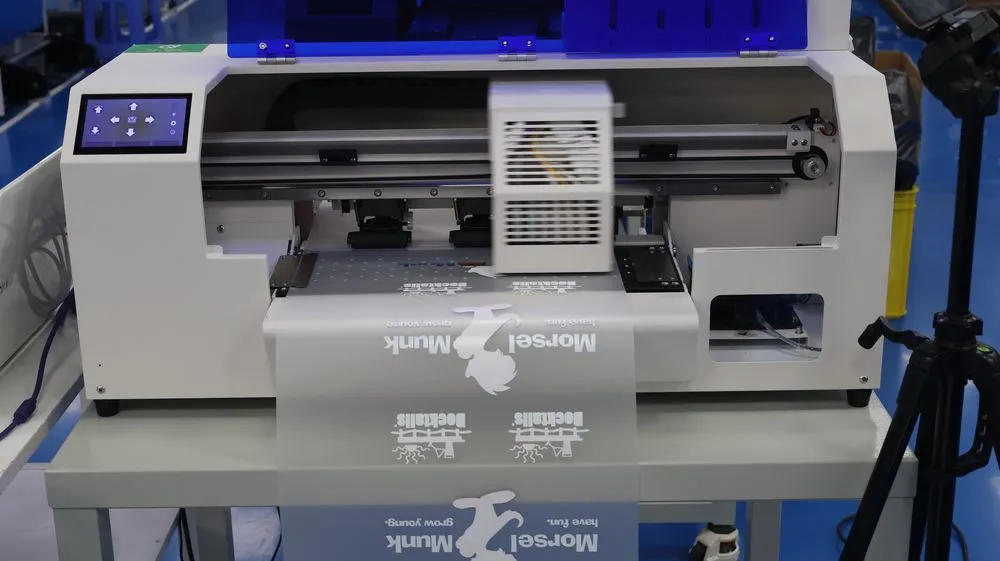
The Ink On The Film Looks Bad
Pay attention to whether the colors are soft or have shifted, if the wetting properties are poor, and if the adhesion is weak after curing. If the ICC color profile you normally use suddenly looks desaturated, or the washing fastness decreases, it indicates that the pigment may no longer be stable.
The black test section in the image below has obvious issues, which are likely due to clogging caused by expired ink.
DTF inks are mostly water-based, so their performance after expiration is more obvious than that of solvent-based inks. In the first step of DTF printing (when the ink is output onto the film), expired ink is likely to cause issues such as color shifting, bleeding, and color bleed. This is why many film manufacturers often ask customers to prepare new ink when resolving after-sales issues.
See also: Is DTF Ink Water Based
How to Solve DTF Ink Expiration Issues
In most cases, replacing expired ink is the primary consideration. Avoiding wishful thinking is the best way to prevent further losses. However, there are exceptional situations where the ink can be treated for “light” use.
This approach can help you avoid a complete ink stockout while waiting for a new batch to arrive. Here’s what you can do:
First, assess the situation. If the ink has only slightly settled, gently roll or invert the sealed bottle to redistribute it – avoid vigorous shaking, which can cause air bubbles. Dispense the ink through a fine mesh or a 5-10 micron filter, then run a small test strip using standard settings. If the print quality is stable and the nozzles are clear, you can cautiously use the batch, but monitor it closely.
Discontinue using the expired ink if clogging persists or the color does not recover. Thoroughly flush the ink lines of that channel, perform a nozzle recovery procedure using manufacturer-approved cleaning fluid, and replace it with fresh, in-date ink. The downtime losses caused by continuing to process unstable ink far outweigh the cost of replacing it with new ink.
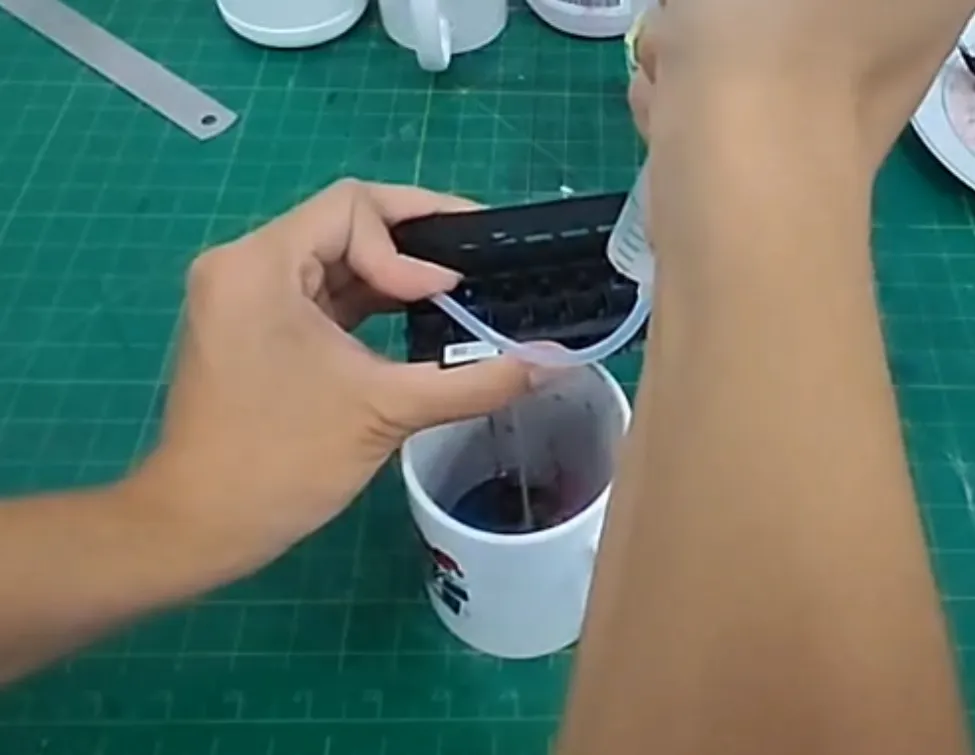
What Happens If You Continue to Print Past DTF Ink Expiration
Many people think it’s okay to continue using ink after it expires, but I disagree and feel it’s necessary to explain the dangers of doing so.
Wear on Hardware & More Maintenance
Out-of-spec viscosity and particles raise the risk of nozzle blockage, damper fouling, and pump strain. Expect more purges, more cleaning cycles, and a higher chance of permanent nozzle loss.
A damaged sprinkler head needs to be replaced, which can cost you thousands of dollars or even more.
Prints Quality Failures
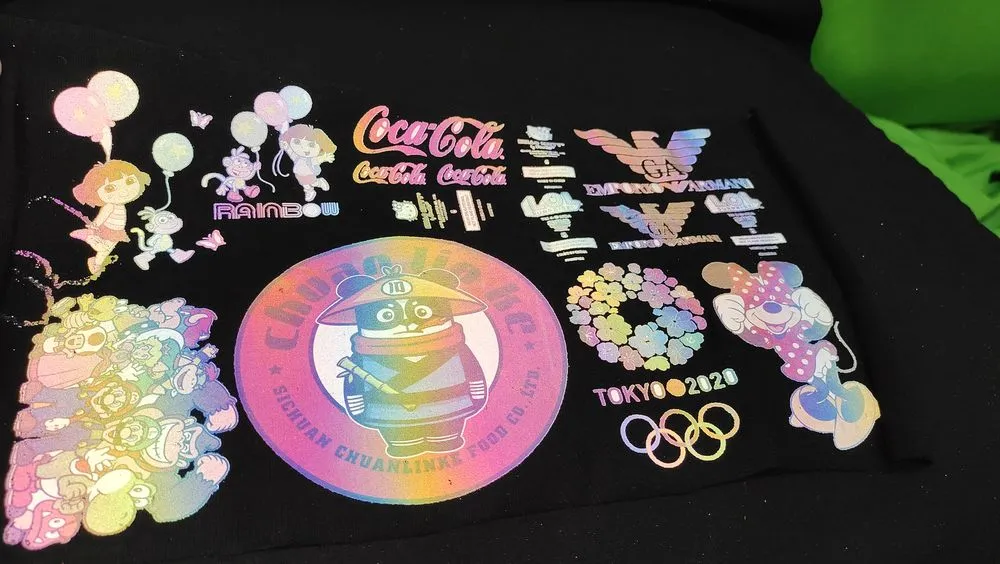
Color shifts, uneven fills, and poor film adhesion lead to reprints – or worse, fading after washing. Re-printing won’t fix it. The final print quality varies depending on the consumables used, and in today’s competitive market, you’re likely to face more than just one complaint; you might lose the customer altogether.
Please take a look at the upper-left corner of the image. That wasn’t part of the original design; it’s a printing quality issue.
Increased Hidden Costs
If the after-sales service team traces a problem back to expired consumables, you’ll waste ink on cleaning, lose time on rework, scrap film, and potentially face warranty issues. Therefore, the most cost-effective measure is to replace substandard ink early. At the same time, manage its use well and avoid leaving ink unused.
Quick Tips to Prevent DTF Ink Expiration
These tips can help you minimize ink degradation to some extent.
Storage Recommendations
Store bottles sealed, upright, and away from light at a stable room temperature (approximately 20–25 °C / 68–77 °F). Avoid freezing or high-temperature environments, and preferably use opaque containers or boxes to block UV/fluorescent light. See also: DTF Pigment Inks Storage Guide
Discriminate Use
Use clean, dedicated syringes/funnels to prevent cross-contamination. Always tighten the cap immediately after each refill. Do not add different brands or batches of ink to an opened container; mixing chemical compositions can compromise the stability of the pigments. The goal is to maximize the shelf life of the ink after opening.
Avoid Air Exposure
Label each bottle with the date it was opened and use a first-in, first-out method. If ink must be decanted, minimize the headspace (air gap) in the refilled container. Gently redisperse before each use; avoid vigorous shaking to prevent air incorporation.