

What Does DTF Transfers Mean?
In layman’s terms, DTF Transfers is DTF Film. it refers to a product or an action, but none of the results can be separated from the printing. dtf transfers refer to the printing of a pattern on a special film, which is then transferred onto fabric.
When you try DTF printing at home, you just need to know which materials are essential.
What Do You Need to Print DTF Transfers at Home?
Before you start printing, you will need some necessary equipment and materials.
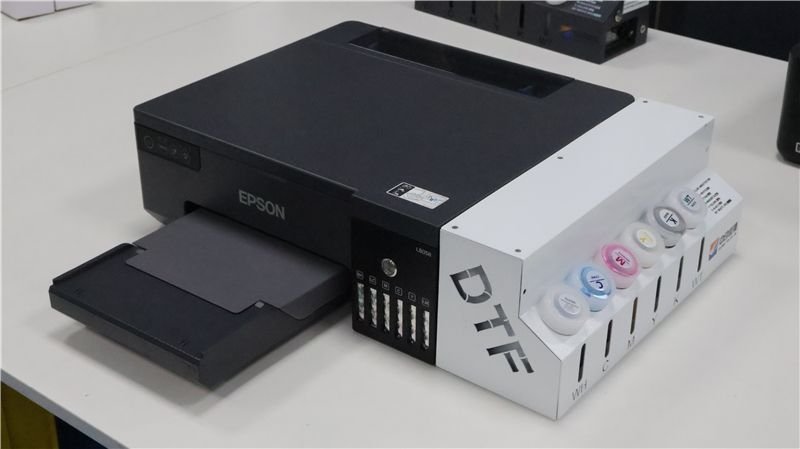
DTF Printer: A specialized printer (like the Epson L1800) or a modified inkjet printer. If you’re a DTF sublimation hacker, you’ll need to look at how to mod your printer. See also: Do Not Use Regular Printer Ink For DTF Transfers
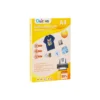
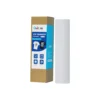
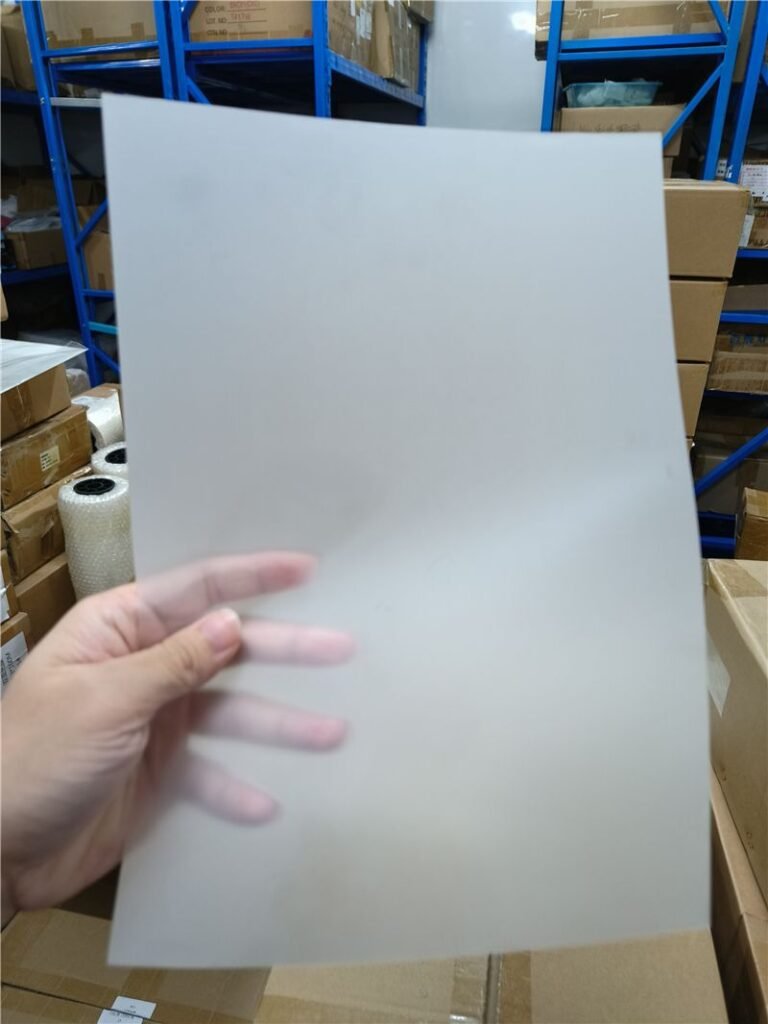
DTF Film: This product is the DTF Transfers mentioned in our topic. A necessary supply in DTF printing.
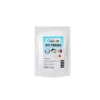
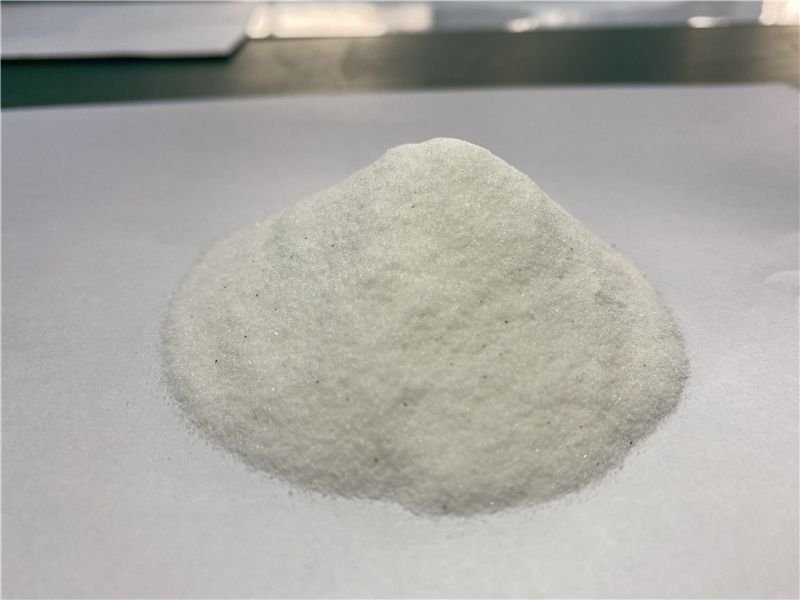
Hot Melt Adhesive Powder: This powder is also necessary for printing. Its purpose is to give the ink on the film the possibility of bonding to the fabric.
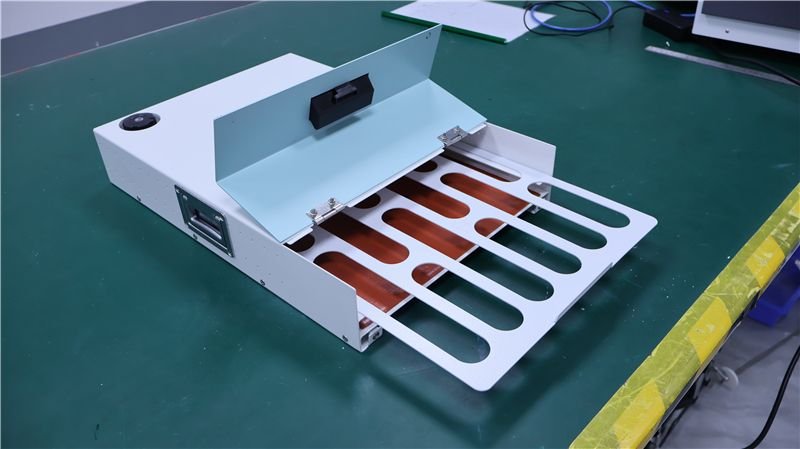
DTF Oven: This equipment is used to bake cured hot melt powders. The powder is sprinkled on the film and needs to be heated to cure; it cannot be used directly.
- As pictured, you can use these portable ovens when doing DTF printing at home.
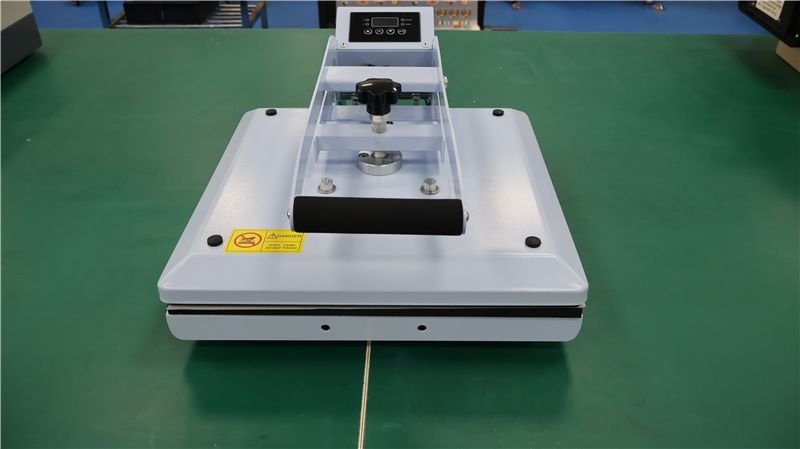
Heat Press Machine: This equipment is used to make heat press transfers and this step is usually the last step. You need to transfer the design from the film onto the fabric.
- Since it’s all about heat, many people will consider using a heat press to cure the hot melt powder. This saves the cost of the oven. I don’t recommend doing this here, see details: Not Recommend To Cure DTF Powder With Heat Press
- It’s important to ensure sufficient pressure is applied during the heat press transfer process. Insufficient pressure can lead to film warping. See also: What is DTF Film Pattern Warpage and Pattern Jaggedness
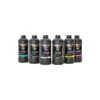
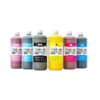
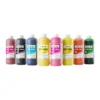
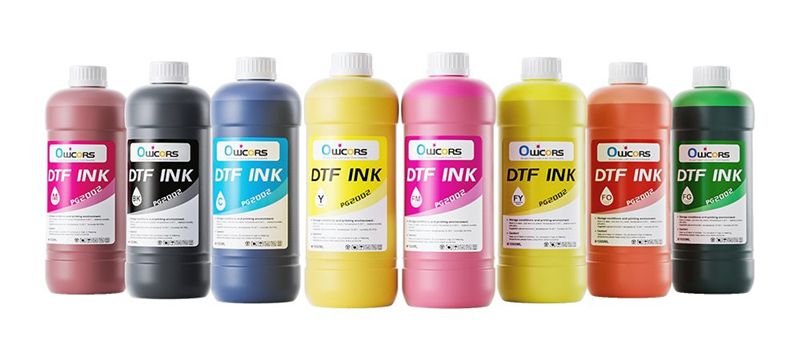
DTF Inks: Pigment-based inks (usually CMYK + White) to print vibrant, long-lasting designs. Generally speaking home style printers don’t need too many colors of DTF ink, the common standard colors are enough to use. If you want to print richer colors, you need to determine if the printer supports that many colors, followed by a good choice of ink.
Design Software: Programs like Adobe Photoshop, CorelDRAW, or specialized RIP software to manage colors and print settings.
Step-by-Step Guide to Printing DTF Transfers at Home
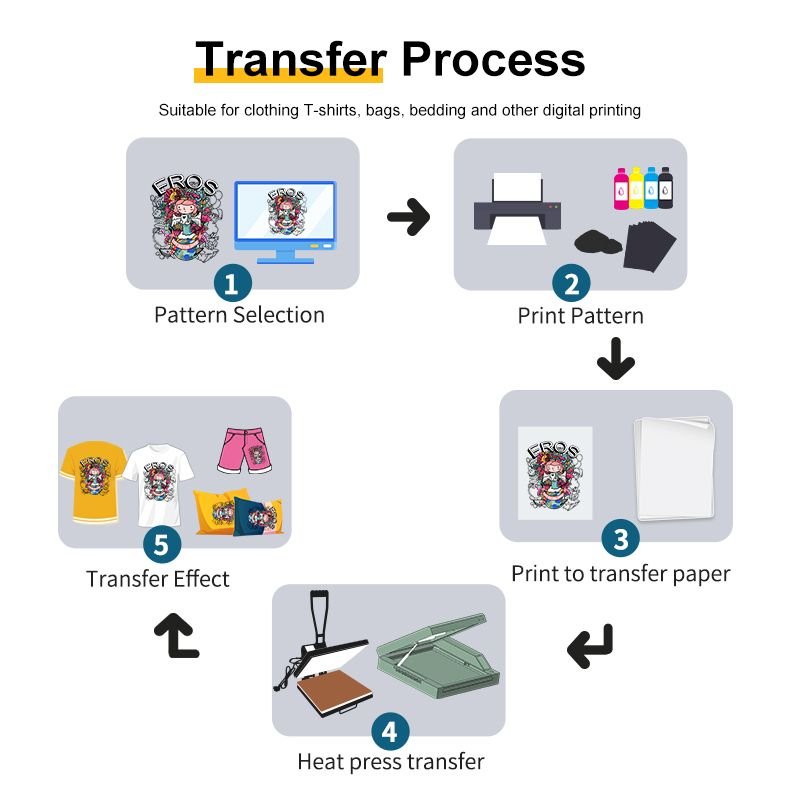
1. Prepare Your Design
Start by creating or modifying your design using graphic design software. Make sure your image is high resolution (300 DPI is ideal) and has a transparent background for the best results.
2. Print the Design onto DTF Film
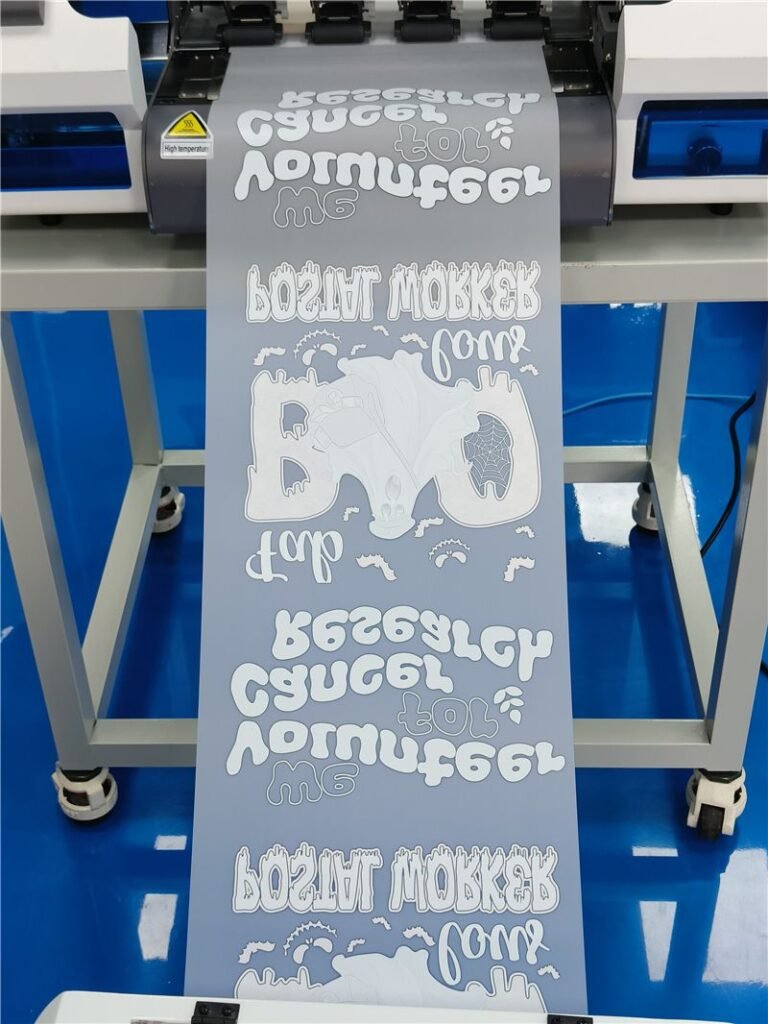
Once your design is ready, load the DTF film into your printer with the coated side facing up. Be sure to set the printer to print in reverse (mirrored), as this will ensure the design transfers correctly when flipped onto your fabric.
3. Apply the Adhesive Powder
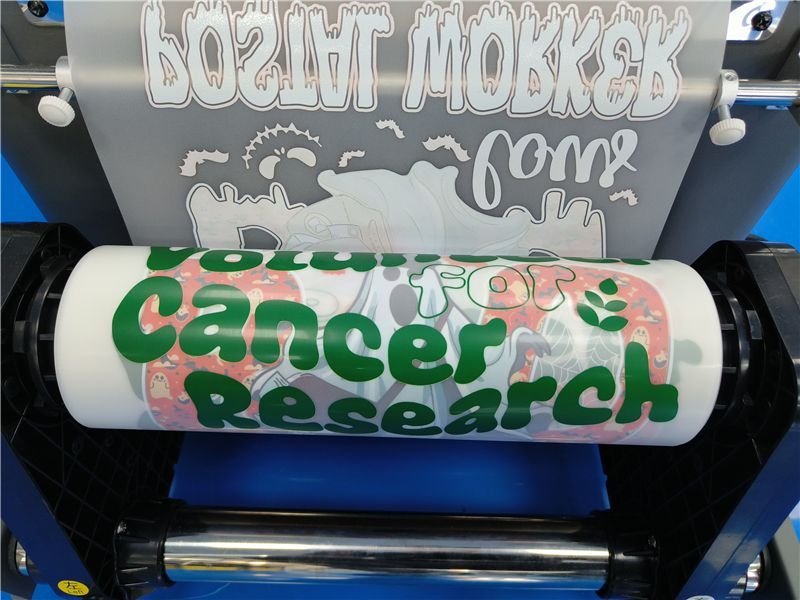
Once the design is printed, immediately sprinkle hot melt adhesive powder over the still-wet ink. Gently shake off any excess powder to avoid clumps. The powder will help bond the design to the fabric during the heat press.
4. Cure the Powder
Place the printed film in a curing oven or under a heat press (without pressure) at 160°C (320°F) for about 2-3 minutes. This will melt the powder and create a smooth, adhesive layer on the design.
5. Transfer the Design onto Fabric
Lay your fabric flat on the heat press and place the cured DTF film on top, design side down. Set the heat press to 160°C (320°F) and apply firm pressure for 15–20 seconds. This will transfer your design onto the fabric.
6. Peel the Film
After the transfer is done, let the fabric cool slightly before peeling the film away. If done right, your design should be vibrant, durable, and ready to wear!
FAQ: Common Questions About Printing DTF Transfers at Home
1. Can I use any printer for DTF transfers?
No, you’ll need a printer that’s compatible with DTF printing. Modified inkjet printers, like the Epson L1800, work well, but you can also find printers designed specifically for DTF printing.
2. What type of fabric can I use for DTF transfers?
DTF transfers work on most fabrics, including cotton, polyester, and blends. It’s a very versatile process that allows you to print on almost any type of fabric.
3. How long do DTF prints last?
When done correctly, DTF prints are incredibly durable and resistant to cracking or peeling, even after multiple washes. They can last for years if properly cared for.
4. Is it difficult to learn DTF printing at home?
Like any new technique, there’s a learning curve. But once you get the hang of the process and dial in your settings, DTF printing is fairly straightforward and can yield professional results.