

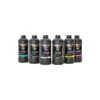
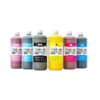
This article will briefly discuss some knowledge about water-based inks. This is just one person’s opinion, and rebuttals are welcome.
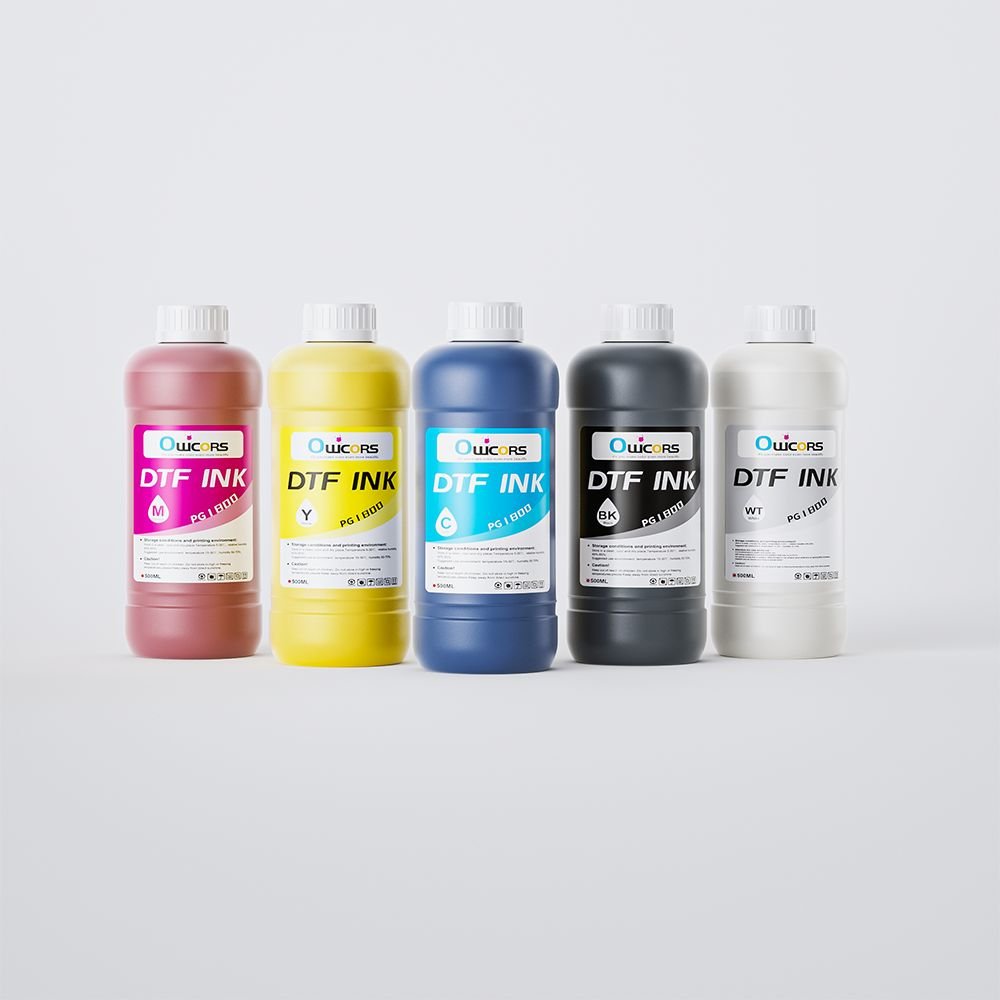
What Does It Mean When DTF Ink Is Water Based?
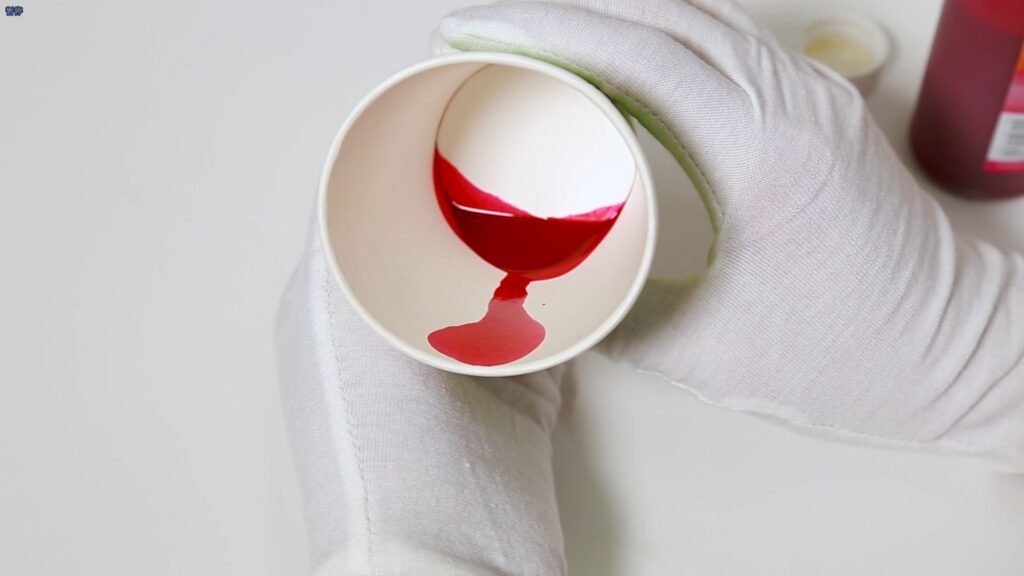
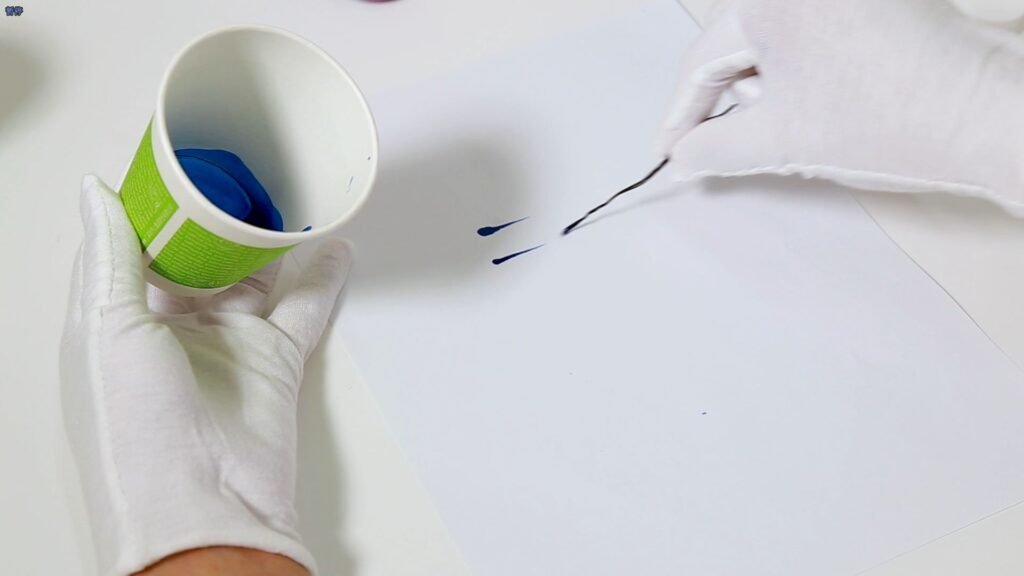
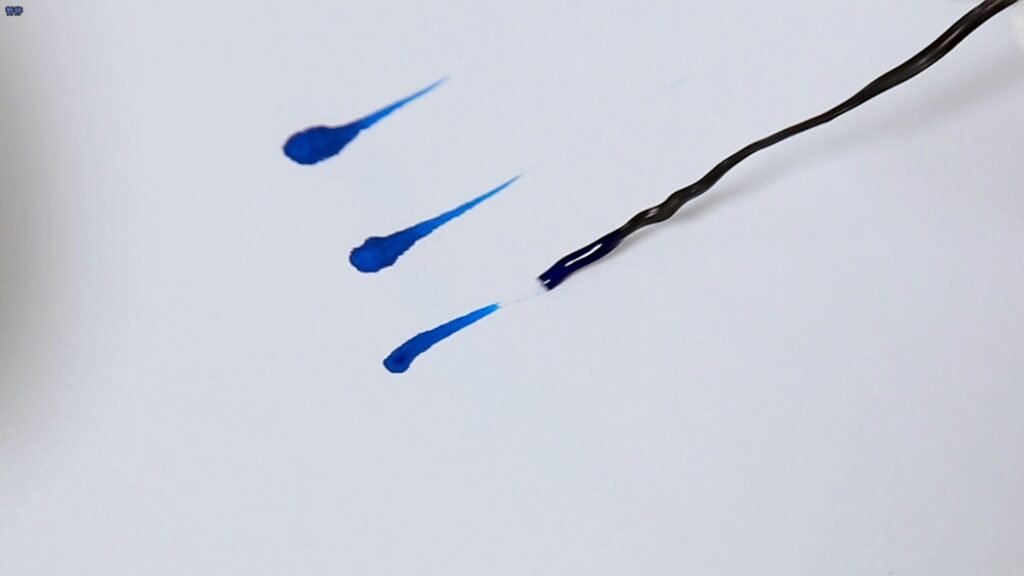
Let’s start by breaking down what “water based” actually means. Water-based ink uses water as its primary solvent. The pigments or dyes are dispersed in water, and once printed, the water evaporates—either naturally or with heat—leaving the color fixed to the surface.
This is quite different from “oil-based” or “solvent-based” inks, which use chemical solvents like alcohols or ketones. Water-based inks are, quite literally, the gentler option.
The pigments in water-based ink are special pigments. This pigment is more environmentally friendly, just like water.
The biggest issue with water-based ink is its shelf life; being water-based, it’s more susceptible to going bad. See also: DTF Ink Expiration: What You Need to Know
DTF Ink Water Based vs Solvent Based: What’s the Difference?
So, how do water-based DTF inks stack up against their solvent-based counterparts? Let’s look at the key differences:
- Odor and Volatility
- Water-based inks have little to no odor, making them ideal for indoor environments. Solvent-based inks tend to have strong fumes and require proper ventilation.
- Drying Time
- Solvent-based inks dry quickly, perfect for high-speed production. Water-based inks take a bit longer and may need heating assistance.
- Printhead Compatibility
- Water-based inks are gentle on printheads and less likely to cause clogs. Solvent-based inks are more demanding and require more frequent maintenance.
- Material Versatility
- Solvent-based inks adhere better to non-textile surfaces like metal or plastic. Water-based inks work beautifully on fabrics—especially cotton and polyester.
In short: the characteristics of the ink determine what substrate it is suitable for use on. For clothing used for wearing, if the odor is too strong, it can easily affect the comfort.
If you want to know more about DTF inks, you can see: What is DTF Ink and Its Uses?
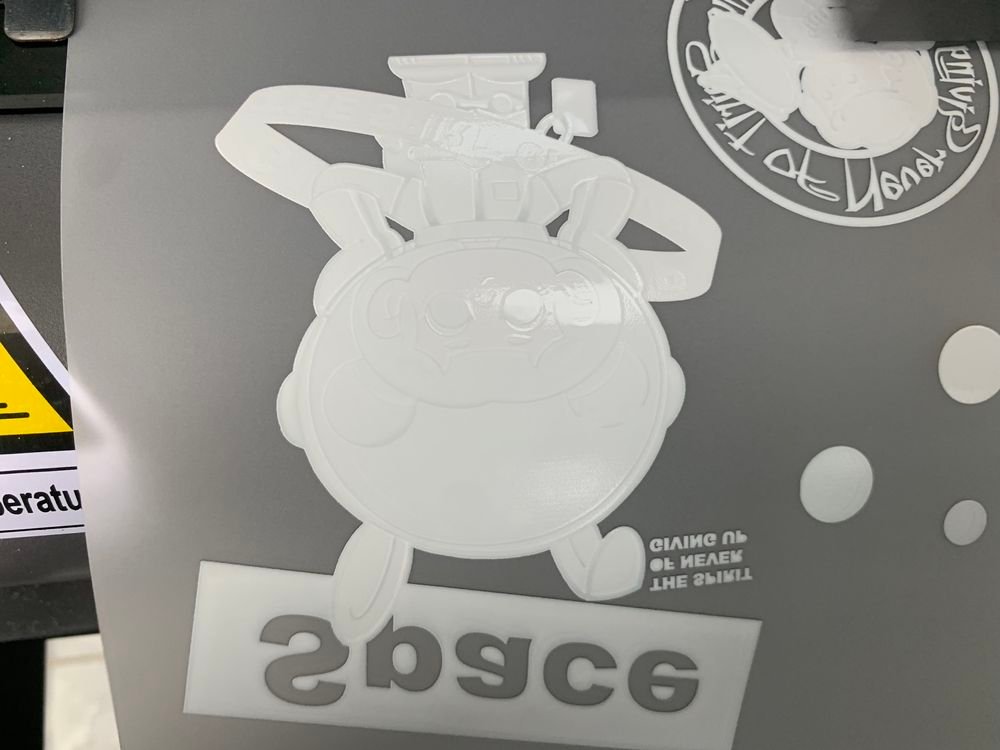
Why Choose DTF Ink Water Based for Printing?
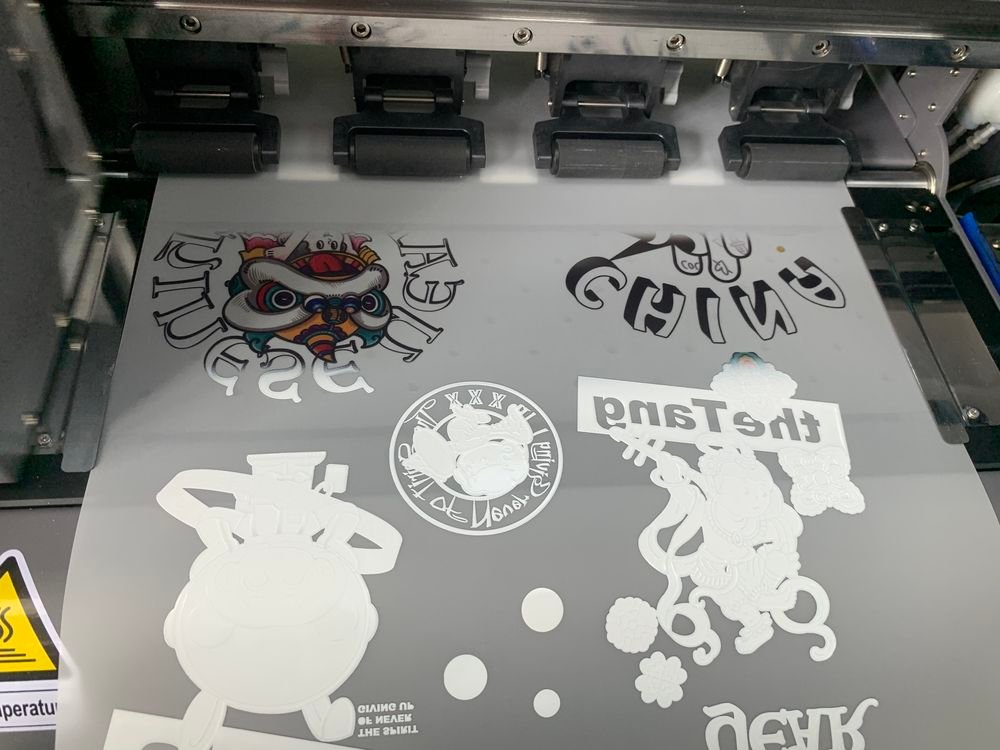
If you’re printing on t-shirts, hats, canvas bags, or other textile-based items, water-based DTF inks might be your best bet. Here’s why:
- Low Odor Printing
- Your workspace stays pleasant even after long printing sessions.
- Longer Printhead Life
- Water-based ink has stable viscosity, which helps prevent nozzle clogging and extends the lifespan of your equipment.
- Smooth Color Gradation
- These inks allow for subtle transitions and detailed color rendering—ideal for designs with gradients and fine details.
- Excellent Fabric Compatibility
- Water-based DTF ink works well on cotton, polyester, and blends, offering reliable performance.
- Strong Transfer Bond
- When paired with the right powder, water-based inks transfer cleanly with a soft hand feel and high durability.
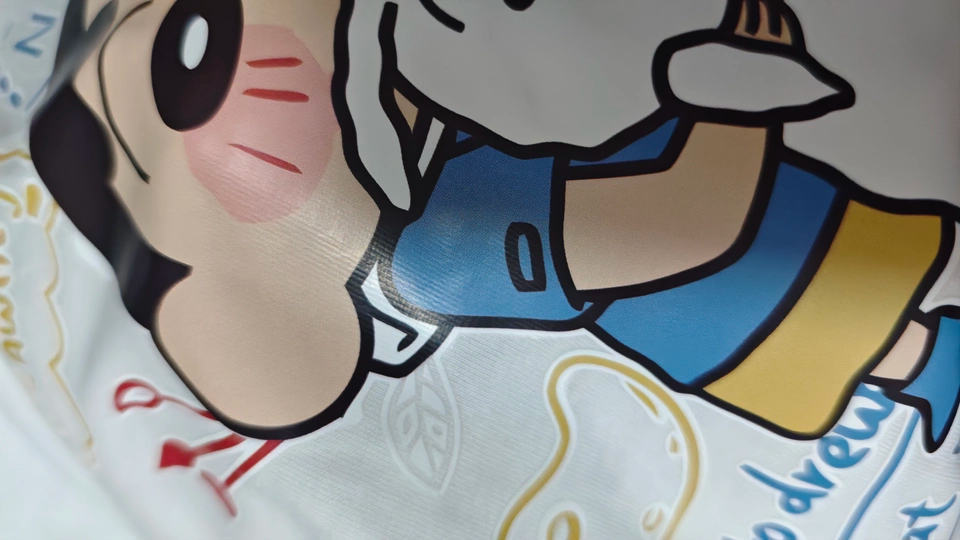
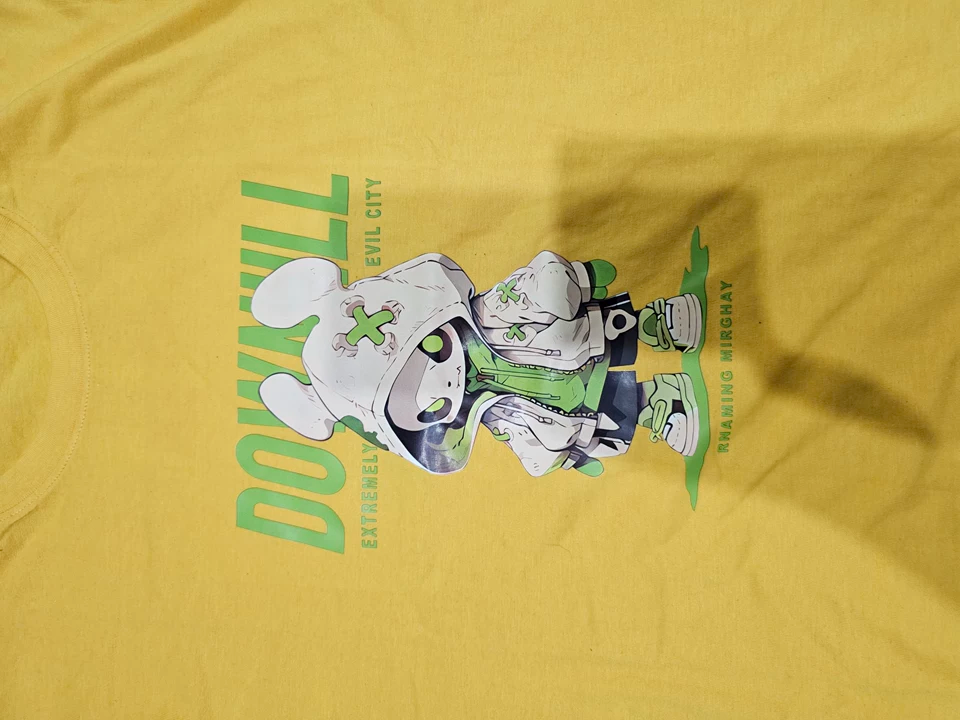
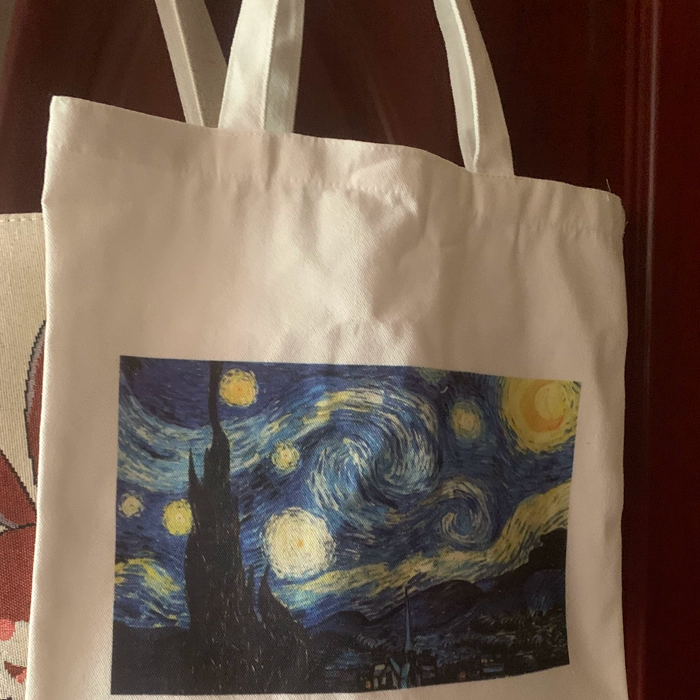
Beyond just the type of ink, print quality also depends on a few other factors:
The right powder makes or breaks your transfer quality. Make sure it pairs well with water-based ink for strong adhesion and wash resistance. Stable temperature and humidity help water-based inks dry properly and avoid issues like smudging.
The powder usually need heat-pressing or oven curing to fully bond. Time and temperature settings matter here.
See also: What is DTF Hot Melt Powder?
Final Thoughts
Water-based inks make sense for solving fabric printing. Different ink types also have special roles for printing. The specific situation is analyzed.