
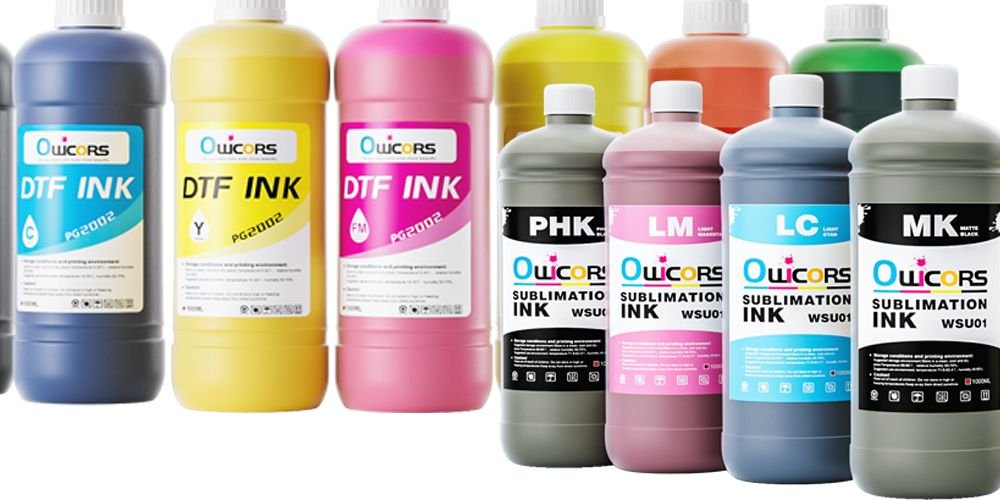
Is DTF Ink And Sublimation Ink The Same?
DTF ink and sublimation ink are not the same. Many people think they are similar, to the point where they use them interchangeably.
DTF ink is one of the key supplies in DTF printing. How good or bad it is will affect your printing results in many factors. That’s one of the reasons we’ve built an archive of articles dedicated to it. We hope that sharing our experience will help you understand this product better. If you want to quickly learn about this product, you can refer to: What is DTF Ink and Its Uses.
DTF ink and sublimation ink are not the same. Many people think they are similar, to the point where they use them interchangeably.
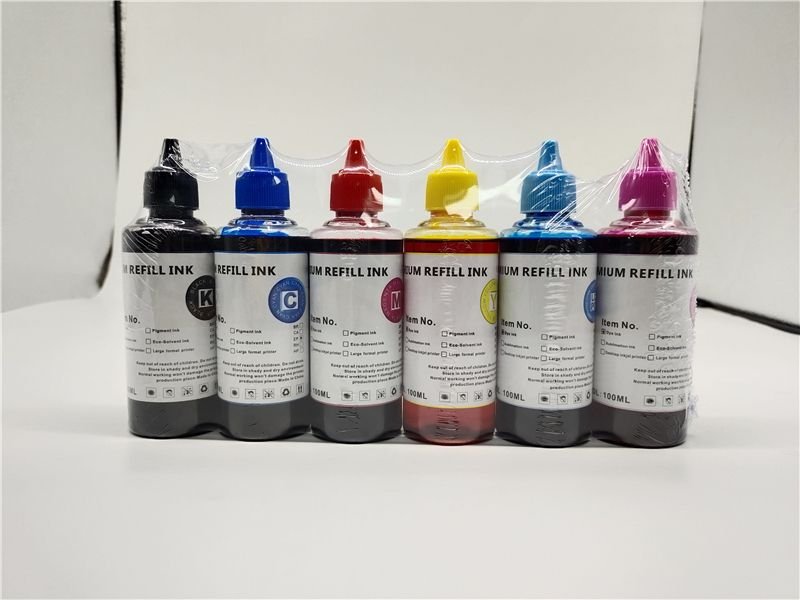
Want to use regular ink for DTF transfers? I don't recommend you do that. There is no way that regular printer ink can play a full role in DTF printing, and trying to do so may result in fading, cracking or peeling of the print.
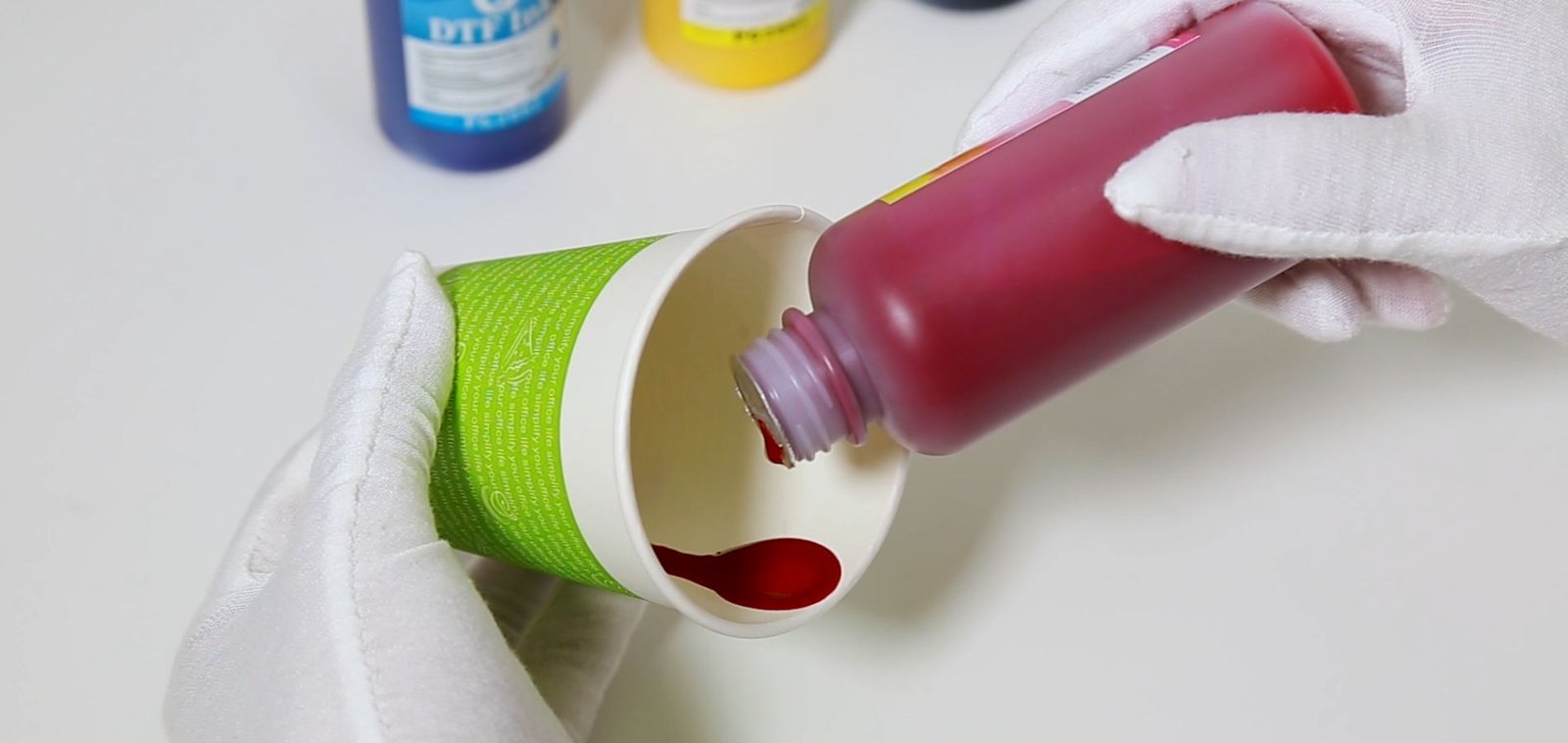
Most DTF inks on the market are water-based, but many people don't really understand what "water-based" means. Early inks were mostly oil-based and had a distinct odor. And water-based inks are the result of technological advancements.
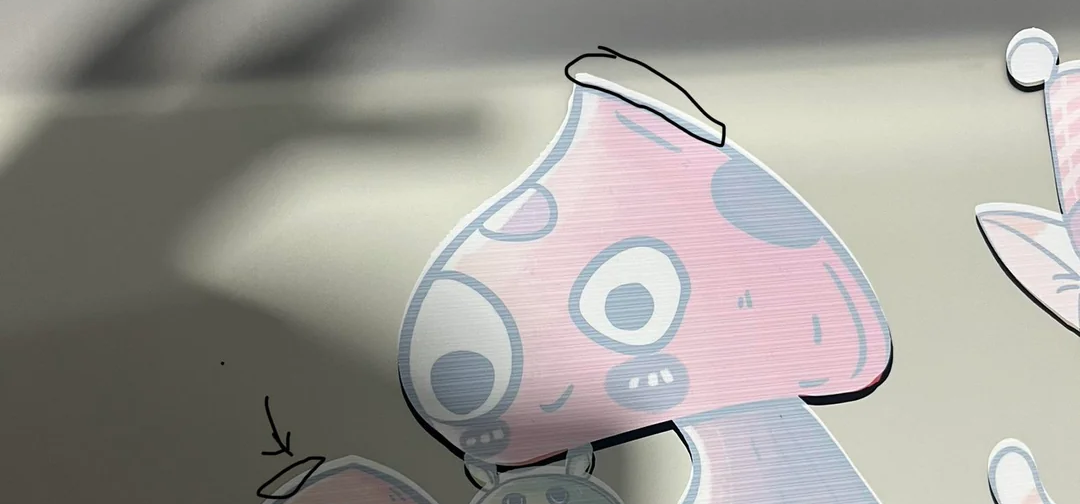
In DTF (Direct to Film) printing, precise alignment between white underbase ink and colored ink layers is essential for producing sharp and professional transfers. However, many users experience an issue known as **DTF white ink shifting**, where the white ink does not align properly with the color layer. This misalignment leads to ghosting, blurring, or halo effects around the design, severely affecting print quality and customer satisfaction.
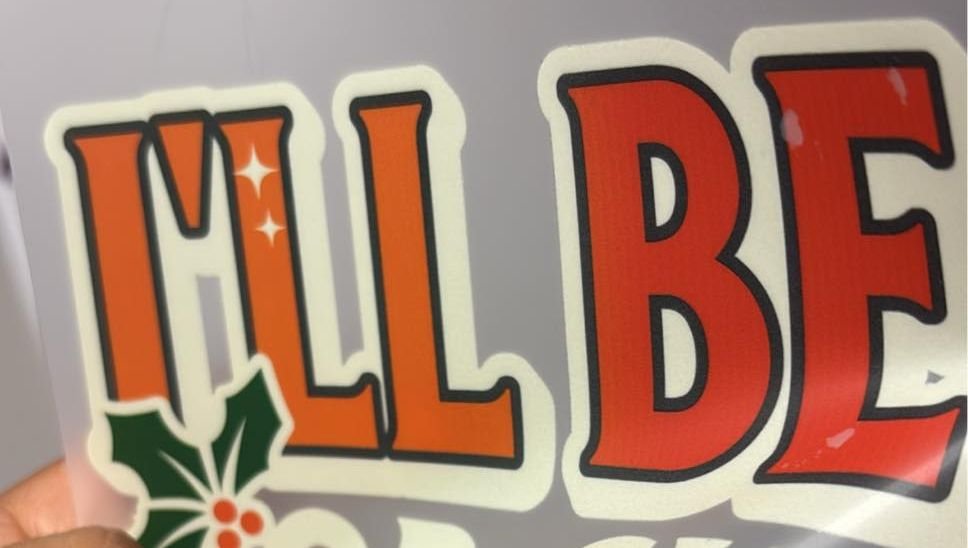
DTF (Direct-to-Film) ink fading and dullness are common challenges in the printing process. Understanding the underlying causes and applying the right solutions can help maintain vibrant and long-lasting prints. In this guide, we’ll cover the reasons for fading and dullness and provide expert solutions to improve your DTF printing results.
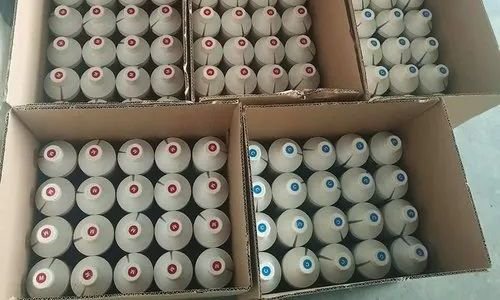
Proper storage of DTF (Direct-to-Film) pigment inks is critical for achieving vibrant, consistent results in your printing projects. This guide examines the primary factors affecting ink longevity and offers effective tips to ensure long-lasting, high-quality prints.