
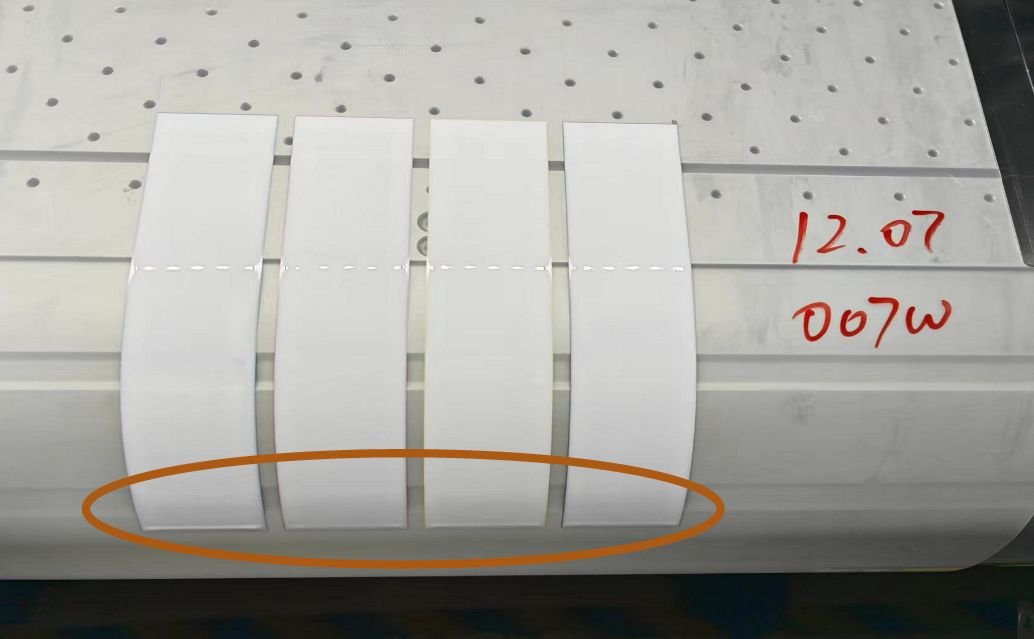
What is White Ink Buildup on DTF Film
When your DTF film is of poor quality, white ink buildup may occur. This phenomenon usually occurs after the ink has been printed on the film. Sometimes it is not so obvious that you can easily notice it.
DTF Film is actually very simple to use, but most people will try different ways of using it, such as the usage of DTF Film with sublimation hacks. We have created this tag archive also to explore related contents and enrich your understanding.
When your DTF film is of poor quality, white ink buildup may occur. This phenomenon usually occurs after the ink has been printed on the film. Sometimes it is not so obvious that you can easily notice it.
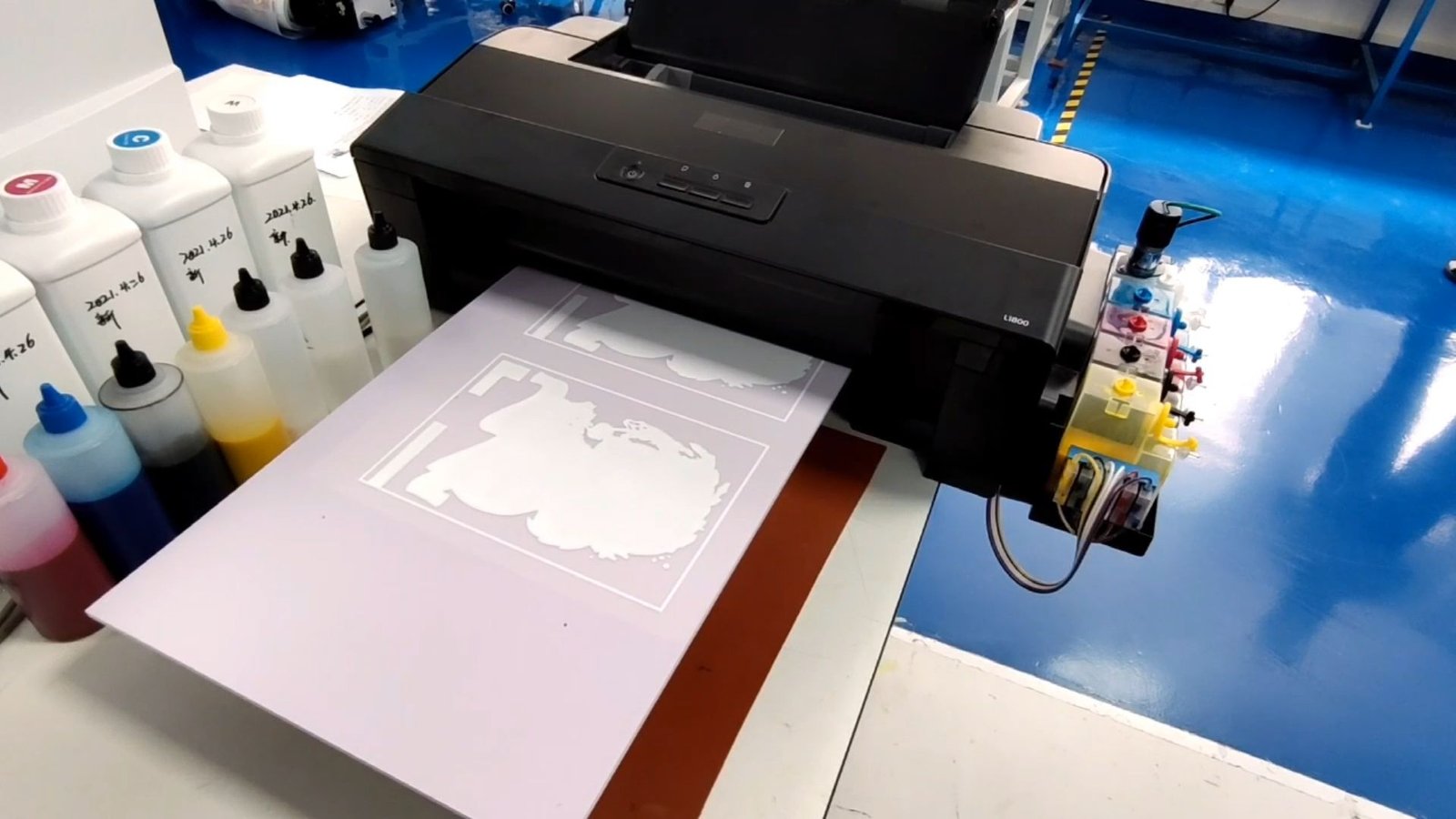
With regards to DTF printing, many of you want to have your customized designs done from the comfort of your home. This is one of the more mainstream printing methods nowadays. So how exactly do you print DTF transfers at home? Let us take you through the whole process.
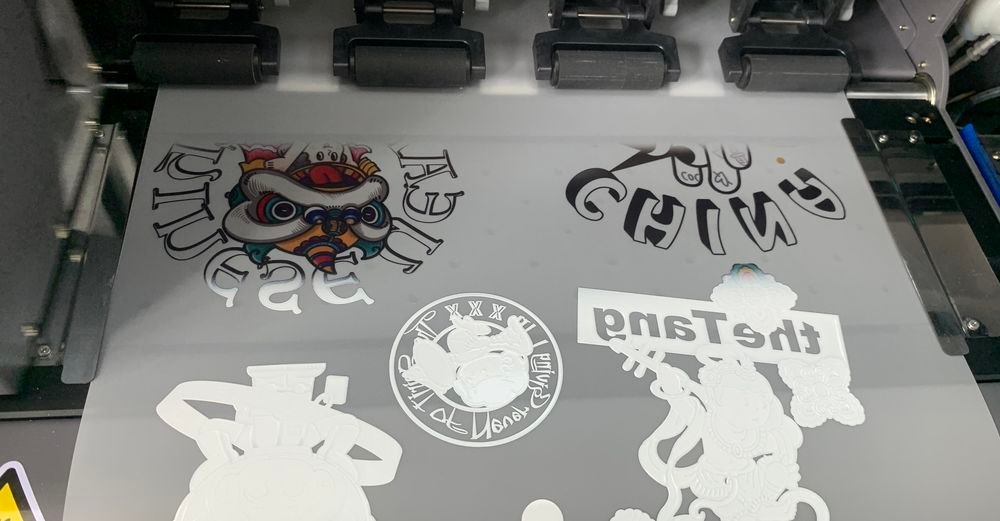
DTF (Direct-to-Film) printing is changing the way we think about textile printing. With DTF transfer film, you can print vibrant, full-color images that apply to a wide range of fabrics — cotton, polyester, blends, and more. But how exactly do you print on DTF transfer film?
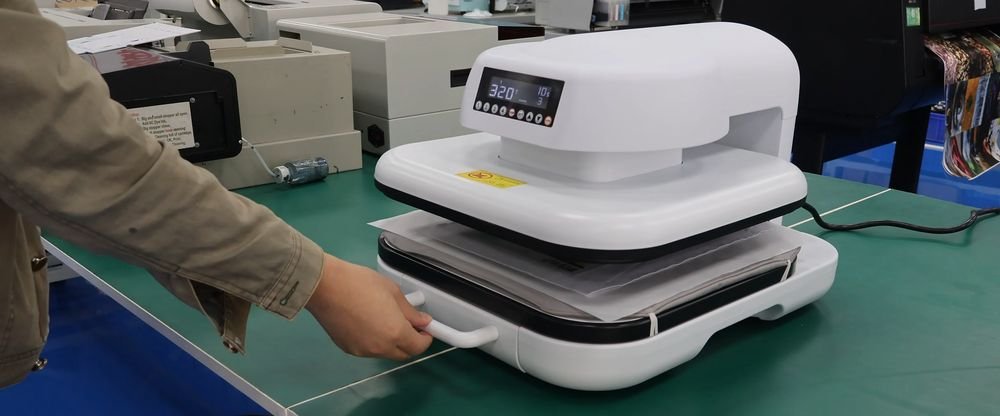
DTF sheets are often used on cotton fabrics, so some may wonder if they can also be used on polyester. The answer is yes, they can. In practical print design, sublimation printing is typically used for polyester fabrics. Besides dye sublimation printing, DTF printing can also be used on polyester.
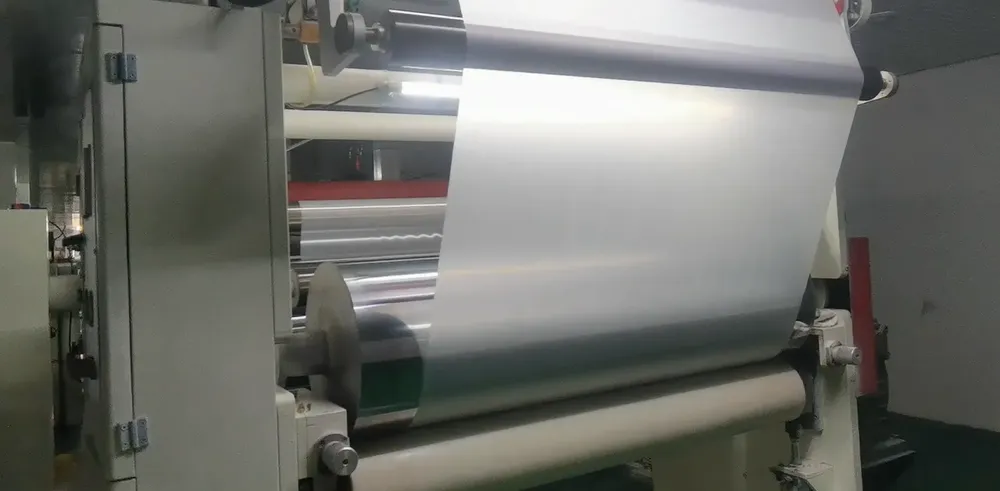
DTF PET film is a specially designed transfer film for use in DTF printing processes. This article will look at it and its uses.