Sublimation Paper
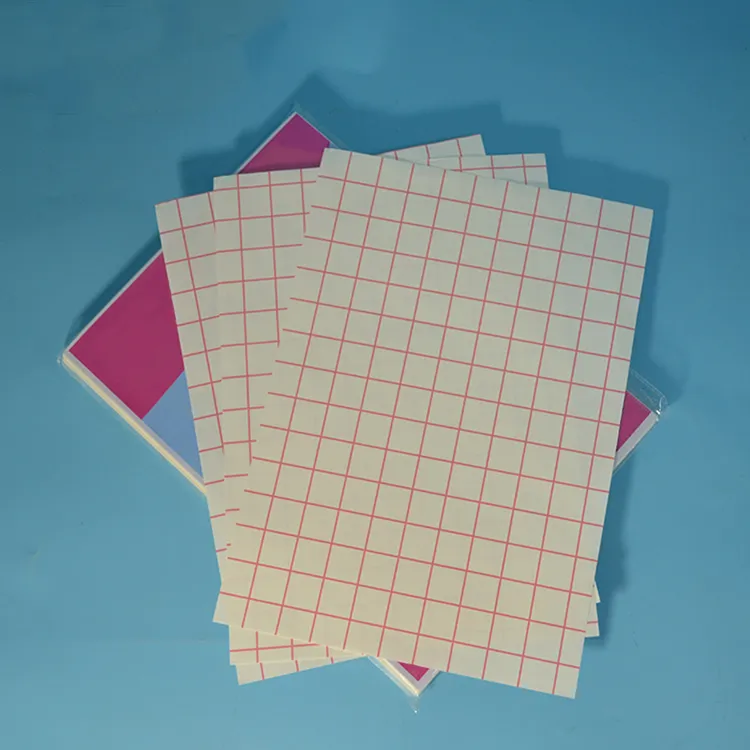
Owcors offers 2 types of sublimation paper and heat transfer paper.
Showing all 4 results
-
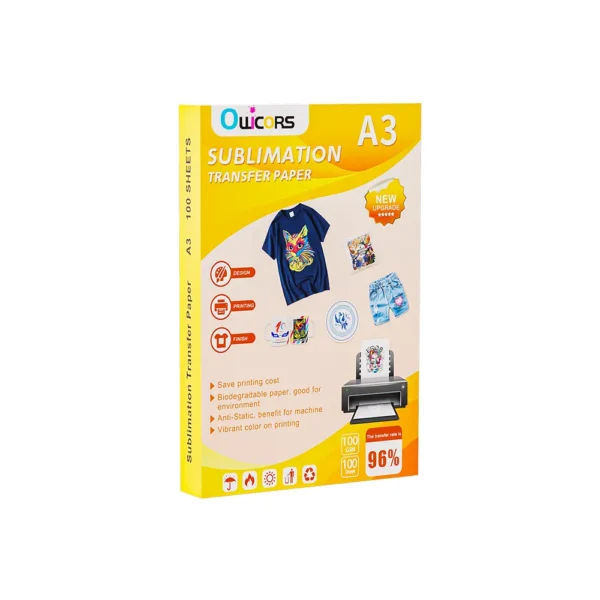
SUBA3E A3 Sublimation Transfer Paper
$5.50Original price was: $5.50.$5.00Current price is: $5.00. -
SUBA4D A4 Heat Transfer Paper
$6.16Original price was: $6.16.$5.60Current price is: $5.60. -
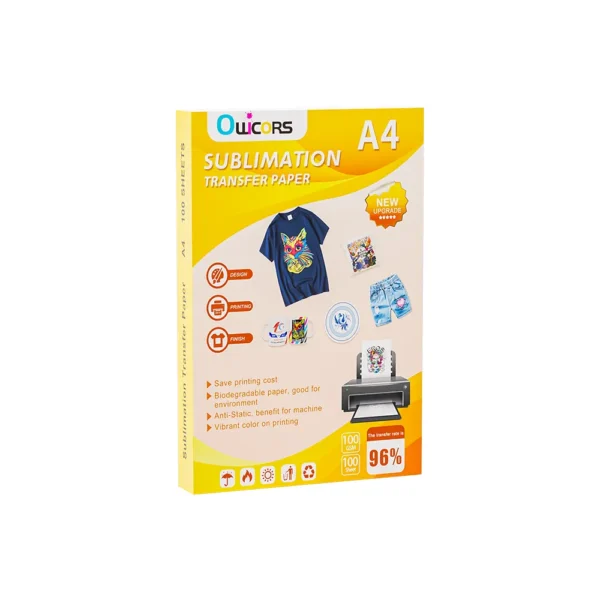
SUBA4E A4 Sublimation Paper
$4.40Original price was: $4.40.$4.00Current price is: $4.00. -
SUBA4L A4 Heat Transfer Paper
$3.85Original price was: $3.85.$3.50Current price is: $3.50.
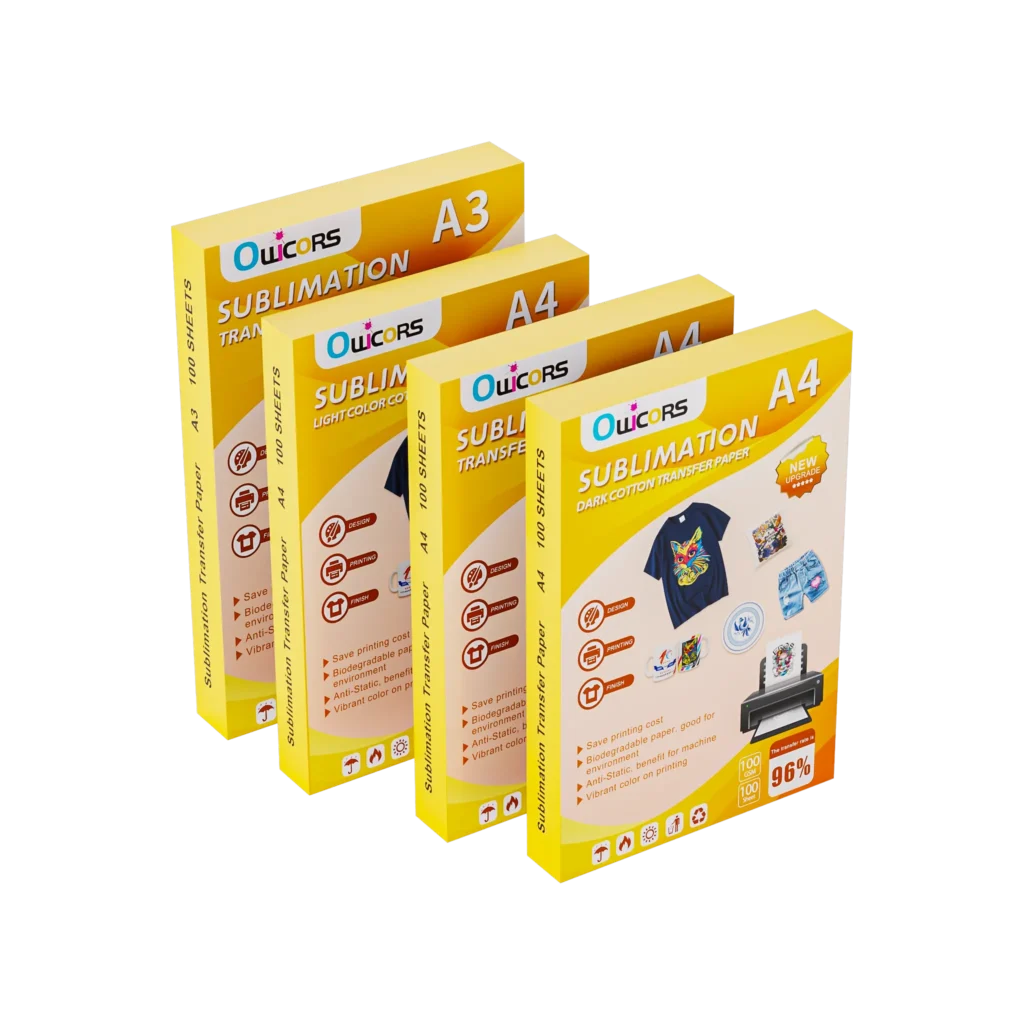
Difference Between Sublimation Paper and Heat Transfer Paper
Make your choice based on their differences.
- Sublimation paper is coated with a special layer of polymer for ink sublimate, this layer also helps prevent ink bleed. Sublimation paper is commonly used for printing on polyester fabrics and items with polymer coatings, and it produces a bright effect on white substrates, but is not as effective on darker substrates.
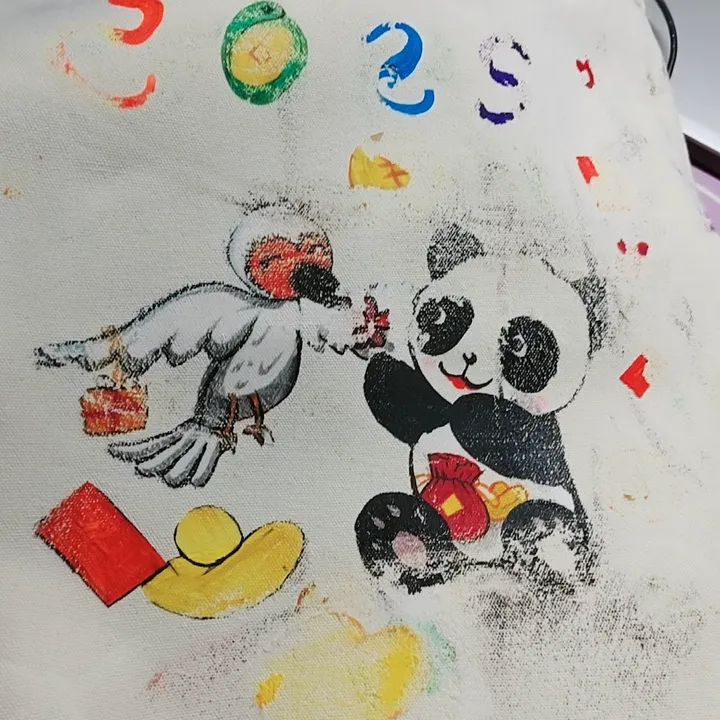
- Heat transfer paper transfers images onto different types of fabrics through a thermal transfer process. Heat transfer paper is also coated with a special polymer that helps prevent ink bleed. It images dark fabrics better than sublimation paper.
- Sublimation paper can be used to transfer images onto polyester fabrics or polymer-coated items.
- Heat transfer paper can be used on a variety of fabrics, including cotton, polyester and blends.
- Sublimation transfers dye an image directly onto an item with no apparent "touch" when touching that item, which is equivalent to making a permanent print.
- Heat transfer paper transfers can be visualized by touching the "three-dimensionality" of the fabric surface as it creates a durable but non-permanent coating on the surface of the substrate.
- The colors of sublimation paper transfer are more vibrant and vivid, and the image is delicate, which is better to solve the more complex image design.
- Heat transfer paper also produces vibrant colors, but the visual effect may not be as "vivid" as a sublimation paper transfer.
How To Determine If Paper Can Be Purchased
Ease of Use
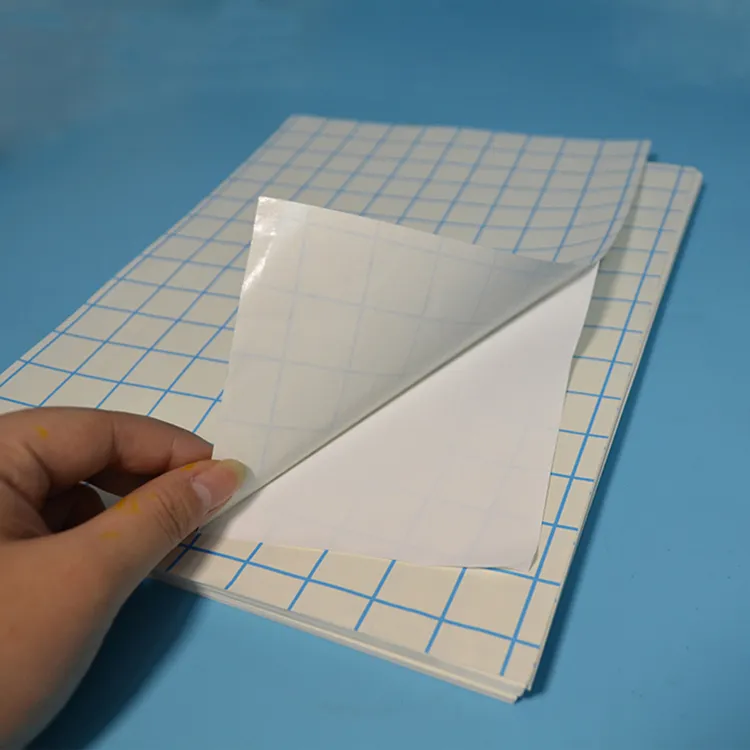
Whether you use sublimation paper or heat transfer paper, the ease of use of the paper itself must be simple and straightforward, top markings are clear and easy to peel off without stuttering.
Color Fineness
Sublimation printing often occurs with off-color, but some times it has to do with the paper. Always test the paper you purchase to see if it has a subtle color. Best to compare you used before.
Meets Requirements
Determine what kind of paper you need based on your current printing needs. If you are printing to apparel, consider heat transfer paper. If printing to hard materials, consider sublimation paper.
Transfer Success Rate
Poor quality ink will affect your transfer. Likewise, poor quality paper will prevent you from making a successful transfer. Always test the paper you buy and don’t buy too much paper at first.
Paper Storage Recommendations
Control temperature & humidity
Store at 59-86 degrees Fahrenheit / 15-30 degrees Celsius and 30-50% relative humidity. The paper can be placed on a pallet to avoid moisture or wetness.
Keep out of direct sunlight
Unused paper should be kept away from direct sunlight and is especially recommended to be kept in a warm room. To avoid moisture, they can be stacked on top of a pile of paper.
Enclosed space preservation
It’s best to store your paper in a closed space, or you can place it in a large bag and keep it level. Remember to keep the mouth of the bag open so that the moisture can evaporate more easily.
Proper stacking method
Store at 59-86 degrees Fahrenheit / 15-30 degrees Celsius and 30-50% relative humidity. The paper can be placed on a pallet to avoid moisture or wetness.
Regularly check the paper
It is critical to regularly check paper for expiration dates and test paper for other problems, including testing for color fidelity and signs of deterioration.
Printing room cleaning
Manage the cleanliness of the print room to avoid contamination of the print room with dust or impurities that could affect the actual job.
Frequently Asked Questions
How to use sublimation paper?
1.Load the sublimation paper into your sublimation printer, ensuring the printable side (usually brighter white) is facing correctly.
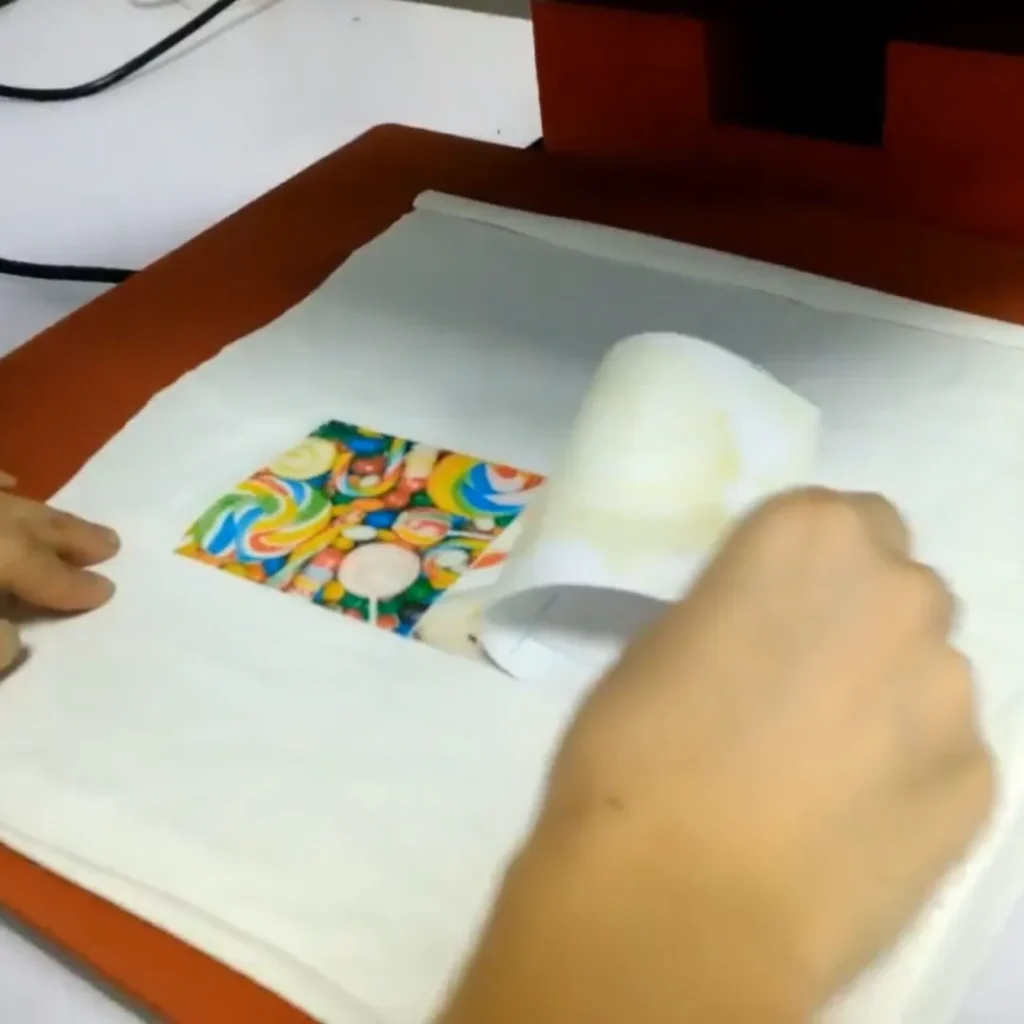
2.Place the printed sublimation paper onto the substrate with the printed side facing down.
3.Set your heat press to the appropriate temperature and time based on the substrate material.
4.After the designated time, carefully open the heat press and remove the substrate. Allow it to cool slightly, then gently peel off the sublimation paper.
how to print sublimation paper?
1.Use graphic design software to create or select your desired image.
2.Ensure the design is mirrored (flipped horizontally) before printing, especially if it includes text, so it appears correctly after transfer.
3.Print the design using sublimation inks, as regular inks are incompatible with the sublimation process.
what is sublimation paper used for?
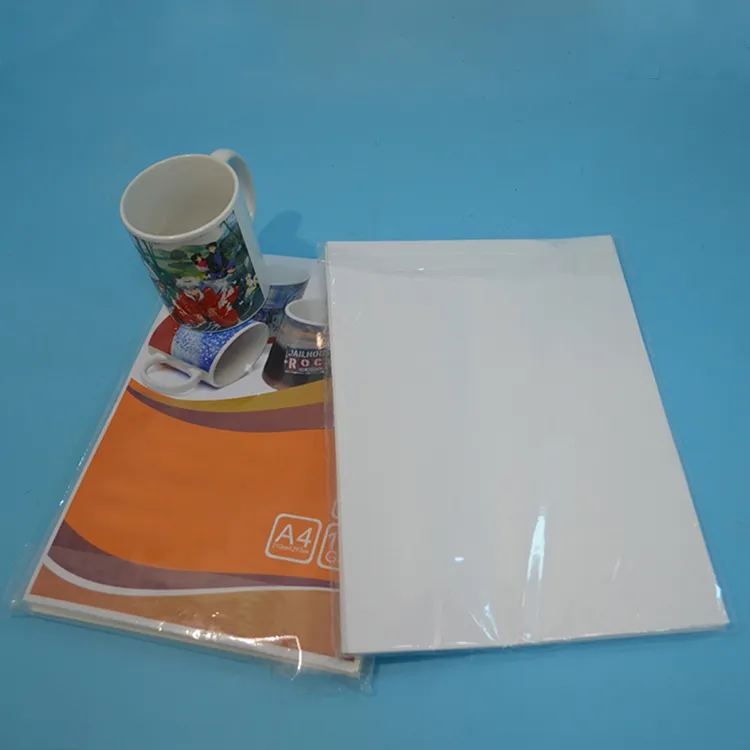
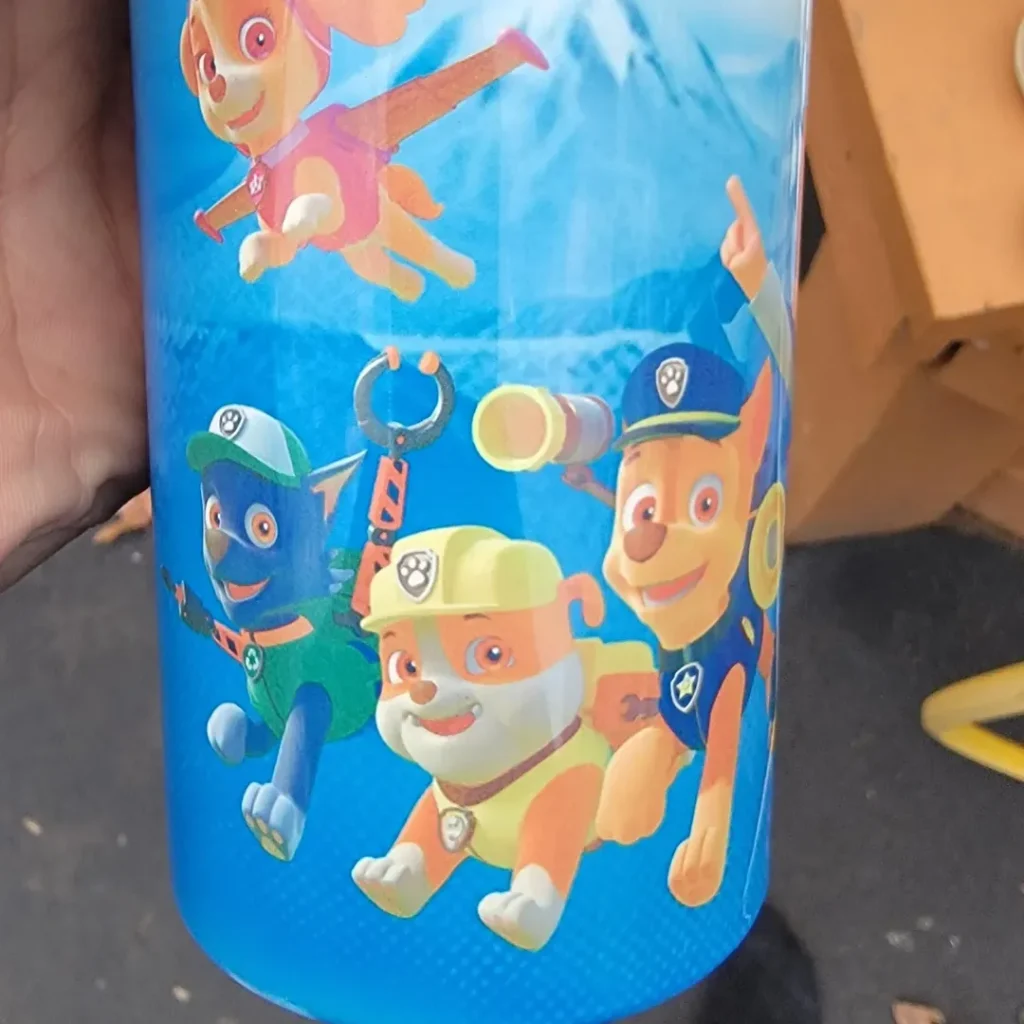
Typically used to transfer images to the following items: T-Shirts and Sportswear, Accessories, Mugs and Drinkware, Mouse Pads and Keychains, Photo Panels and Tiles, Pillows and Blankets, Fabric Banners, Flags, Phone Cases
What is the optimum temperature for the use of heat sublimation paper?
The transfer temperature of the heat sublimation process depends mainly on the ink, for example, my current DSU01 ink fully sublimation temperature at 210 degrees.
Conventional printing parameters of clothing at 220 degrees 25 seconds to transfer the temperature of the cup at 230 degrees 150 seconds or so.
The conventional printing temperature of the heat sublimation paper in the 15-25 degrees for the best After printing and drying roll Usually 24 hours after printing the transfer of the best.