
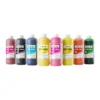
As times have evolved, UV ink has gradually developed its own classifications. Due to the differences in substrate materials, a single type of UV ink cannot be used to print on all materials.
What you need to know is which type of UV ink can print on a specific material, rather than assuming that because it’s UV ink, it can print on anything. Below, I will gradually recommend applicable materials based on the classification of UV inks.
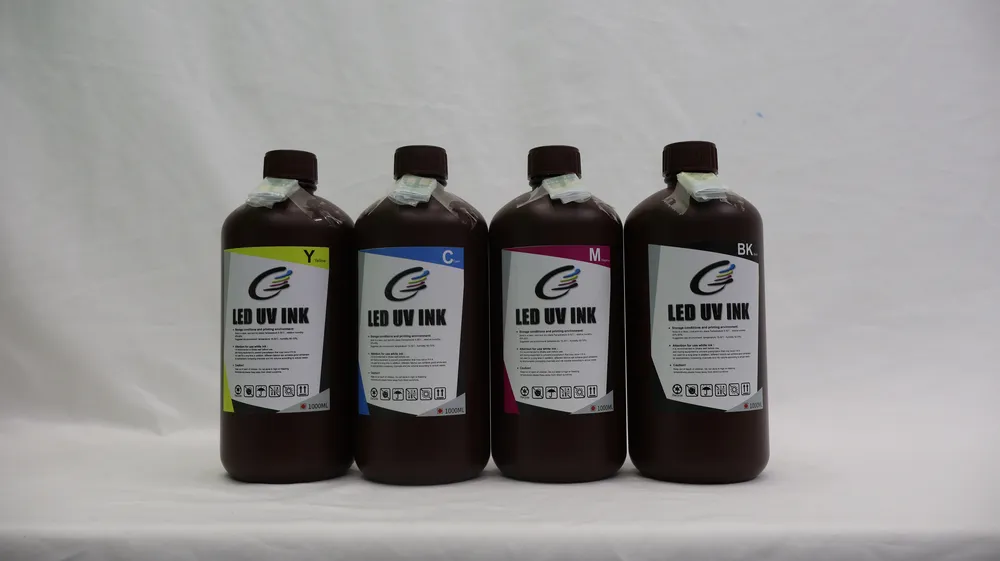
Which Products Can Use UV Ink?
Before diving into specific details, let’s first gain a general understanding of the application areas for UV inks.
Most materials on the market can be broadly categorized into rigid and flexible. Rigid materials possess a certain degree of hardness, at least on the surface. Flexible materials, on the other hand, typically exhibit some flexibility and can be bent to a certain extent.
UV inks require UV light for curing, and post-curing, they possess a certain hardness and adhere to the material’s surface. This doesn’t pose much of a problem for rigid materials, but when dealing with flexible materials, the material’s inherent bendability can compromise the durability of the cured ink.
Therefore, we can classify UV inks based on the hardness or softness of the materials they are used on: rigid inks, flexible inks, and hybrid inks.
Rigid UV Ink
Rigid UV inks are suitable for printing on materials such as metal, ceramic, wood, glass, hard plastics, integrated boards, and signage. These inks should be used when printing on harder materials. Rigid inks have stronger adhesion, but correspondingly, their stretching and bending properties are weaker. The printed pattern will crack if the material warps.
However, because these materials are unlikely to stretch or bend, using rigid ink on rigid materials is a perfect match.
Flexible UV Ink
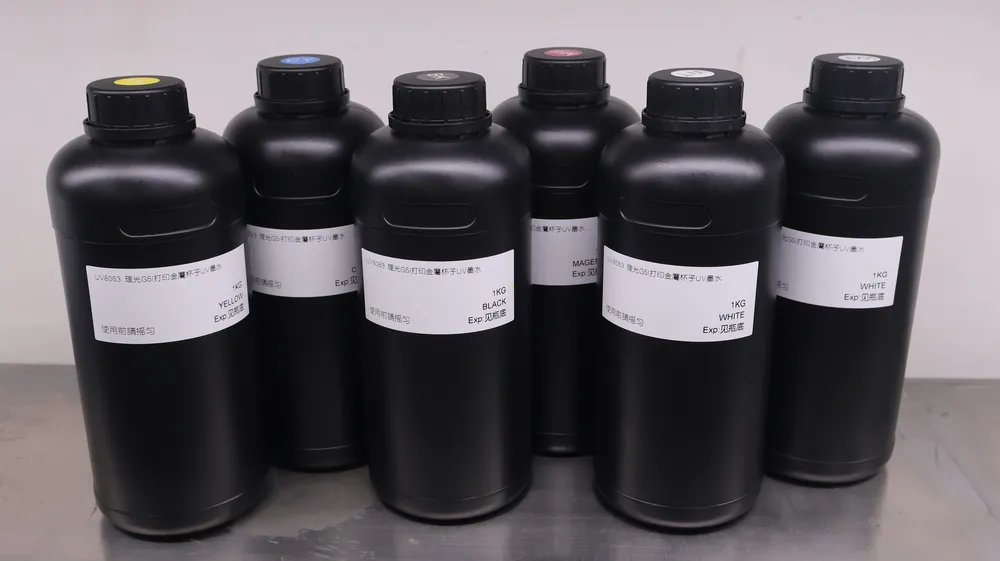
Flexible UV inks are suitable for printing on materials such as light box fabric, soft film, wall fabric, wallpaper, PVC film, PET film, canvas, and 3P fabric.
It can be printed on flexible materials and will not crack or fracture if the material is twisted. However, because this ink layer is too soft, it is easy to leave scratches when used on hard materials.
Hybrid UV Ink
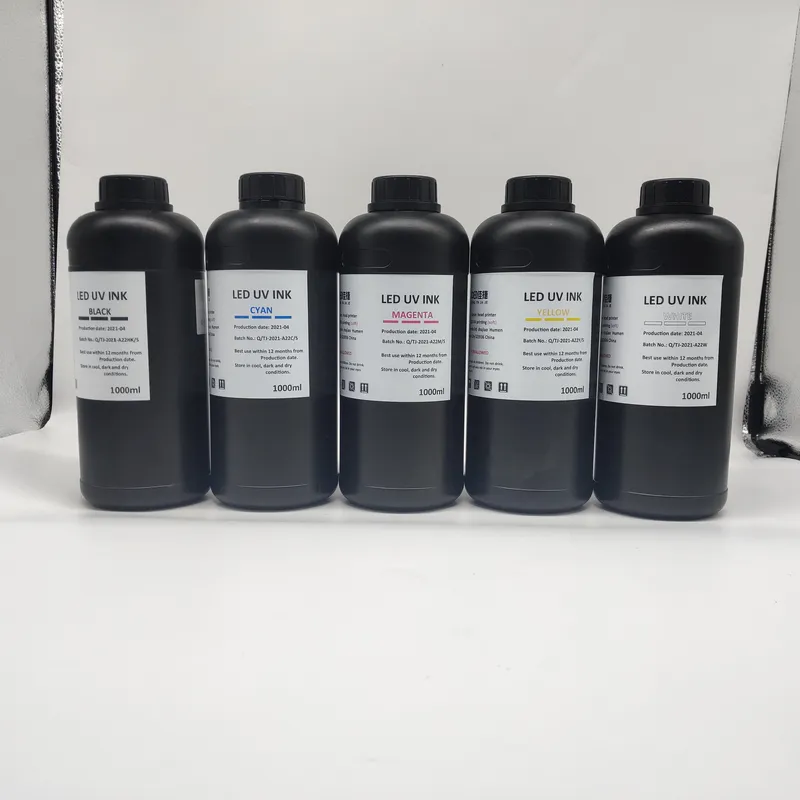
Hybrid UV ink can be understood as a type of UV ink that is neither too hard nor too soft. It is mainly suitable for printing on materials such as PS boards, acrylic, PVC foam boards, KT boards, and vehicle wraps.
Hybrid ink is versatile and combines the advantages of both hard and soft inks. However, it also inherits the shortcomings of both. In the market, UV printing users often don’t consider the specific ink used based on the material, so hybrid UV ink is generally not used.
For example, UV transfer stickers are typically printed using hard UV ink, without considering where the user will actually apply the sticker.
What Is The Difference Between These Three Types Of UV Ink?
Simply understanding these three properties of UV inks isn’t enough to grasp their differences. Therefore, I will explain the distinctions between them in detail next.
Ink Layer Structure Differences
The ink layer refers to the cured coating film formed on the surface of a material after UV ink is jetted and cured by ultraviolet light. It is the state of the photoinitiator in the ink after being activated, which triggers the rapid polymerization of its internal components, eventually forming a layer of solid, transparent or colored “ink layer” on the surface of the material.
The difference in the ink layer structure is the fundamental distinction between rigid, hybrid, and flexible UV inks:
- The ink layer formed by rigid ink after curing has a tighter molecular chain and a more solid structure.
- Hybrid ink, due to the presence of flexible resin, has a certain degree of ductility in the cured ink layer.
- Flexible ink contains a different resin than hybrid ink; it uses a high proportion of elastic resin, which greatly enhances the ductility.
The difference in the ink layer structure stems from the chemical composition within the ink. The higher the content of a particular component, the more inconsistent the characteristics it possesses when the final ink layer is formed.
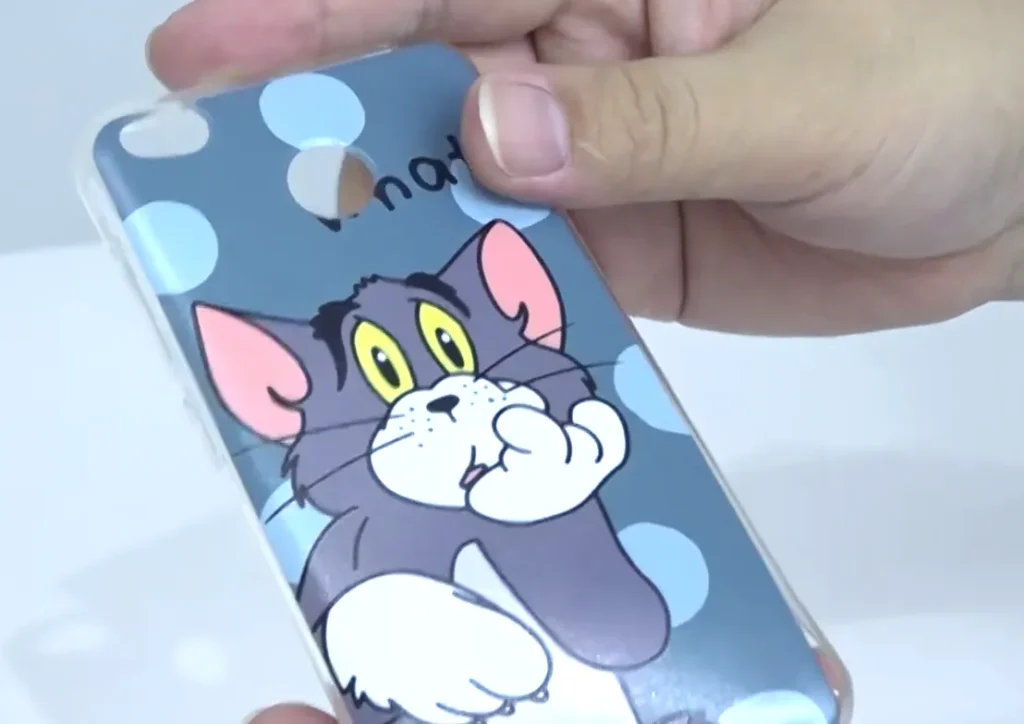
Flexibility Differences
The key takeaway from the difference between these inks is “flexibility“. I think it’s important to illustrate this with examples closer to everyday life, so you can better understand these three types of ink.
Hard inks have almost no flexibility. The ink layer is very hard after curing. If you press its surface with your fingernail, your nail will bend instead. Poor flexibility in the ink layer means it has very strong scratch resistance on the surface.
Hybrid inks have some flexibility, but not as much as soft inks. Generally, to test if a UV ink is hybrid, you need to compare it with a surface printed with hard ink. Take a hard object and scrape them, using the same force as much as possible, and see which one has more obvious scratch marks. This will help you distinguish whether the ink leans towards hard or hybrid.
Soft inks have high flexibility. If you press its surface with your fingernail, you can usually leave a nail mark. The texture feels like clay, and a little force can directly damage thicker areas of the ink layer on the design.
The difference in flexibility between the three can be used to distinguish whether the UV ink purchased is hard or soft. If your customers are constantly complaining about the ink cracking after printing and selling it to other customers, then I suggest you tell them this method of differentiation (hopefully you won’t need to).
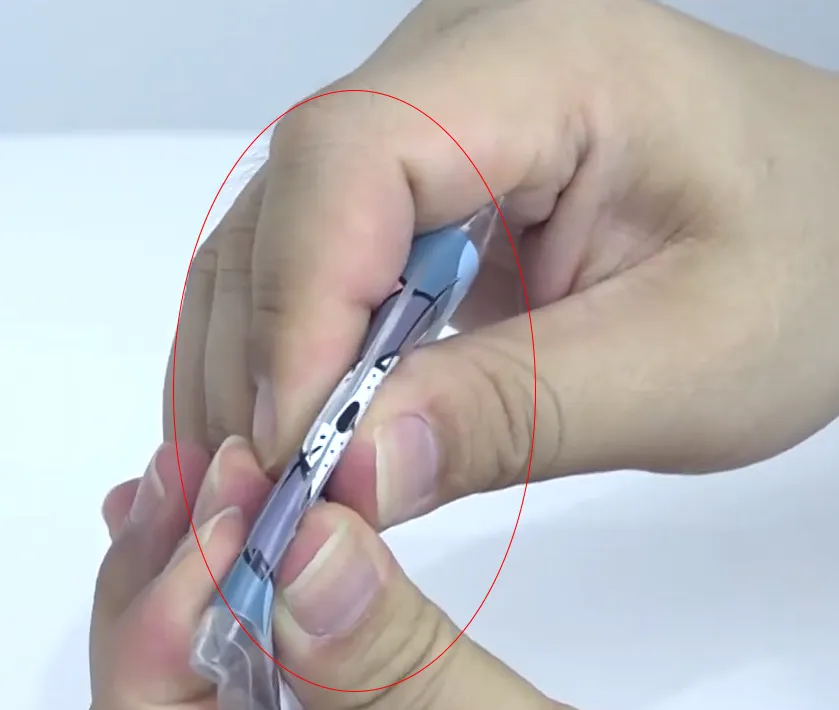
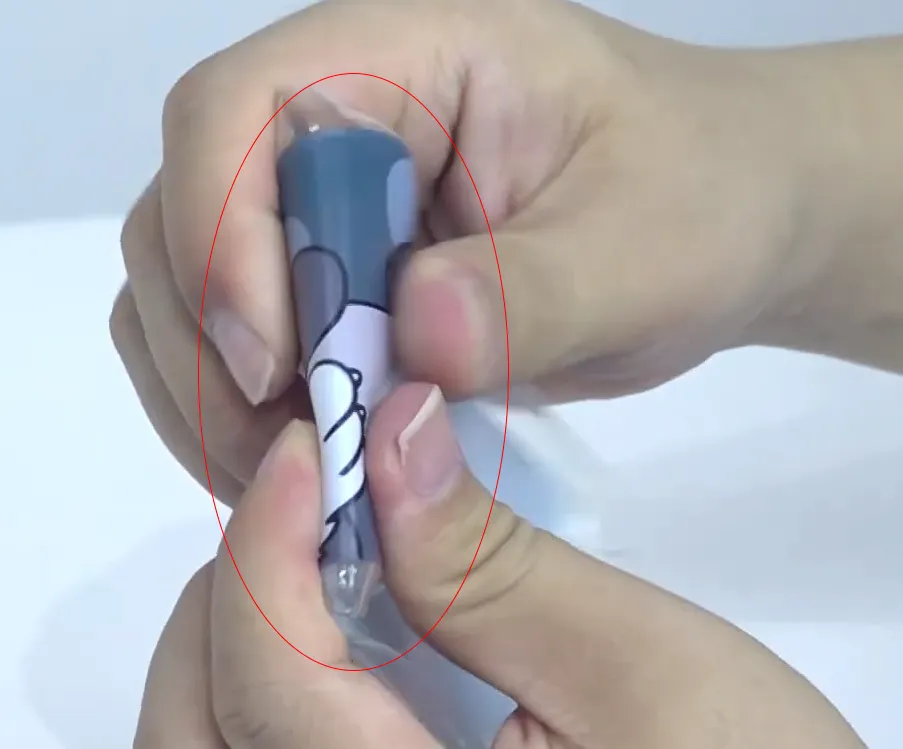
Practical Application Of Rigid, Hybrid And Flexible UV Inks
I mentioned above what materials these three types of UV inks can be printed on, but you may not have a good idea of what materials I’m talking about. So I’ve included a table below that you can use to determine which nature of UV ink you need to print with.
| Ink Type | Suitable Materials | Common Products / Applications |
|---|---|---|
| Rigid UV Ink | Metal | Metal nameplates, aluminum signs, stainless steel tags, decorative panels |
| Ceramic | Ceramic tiles, mugs, decorative plates, bathroom panels | |
| Wood | Wooden plaques, packaging boxes, decorative crafts, furniture panels | |
| Glass | Glass signage, door panels, photo frames, glass trophies | |
| Hard Plastics | Acrylic displays, PC panels, ABS cases, control panels | |
| Integrated Boards | Advertising boards, exhibition panels, architectural boards | |
| Signage | Indoor/outdoor signboards, wayfinding signs, company logos | |
| Hybrid UV Ink | Semi-rigid Plastics (PVC, ABS) | Plastic shells, electronic panels, product labels, card holders |
| Leather | Leather phone cases, keychains, bags, belts | |
| Acrylic & Wood Composites | Home decoration panels, mixed-material crafts | |
| Thin Metal or Coated Sheets | Product logos, instrument labels, semi-flexible packaging | |
| Flexible UV Ink | Light Box Fabric | Advertising light boxes, display walls, illuminated posters |
| Soft Film | Window graphics, exhibition backdrops, soft advertising boards | |
| Wall Fabric / Wallpaper | Custom interior wall prints, decorative murals | |
| PVC Film | Car wraps, flexible labels, stickers, outdoor banners | |
| PET Film | Transparent decals, flexible packaging, overlay films | |
| Canvas | Art reproductions, photo canvases, fabric displays | |
| 3P Fabric | Backlit displays, stretch frame systems, textile lightboxes |
It is important to note that if you need to print products that require “hybrid UV ink,” you should pay close attention to whether the ink you purchase is indeed hybrid. This is because suppliers often substitute hybrid ink with rigid ink when shipping. This is due to the fact that rigid ink can also be used to print on products that are typically printed with hybrid UV ink.